 aloberita Kumpulan Berita dan Informasi terbaru dari berbagai sumber yang terpercaya
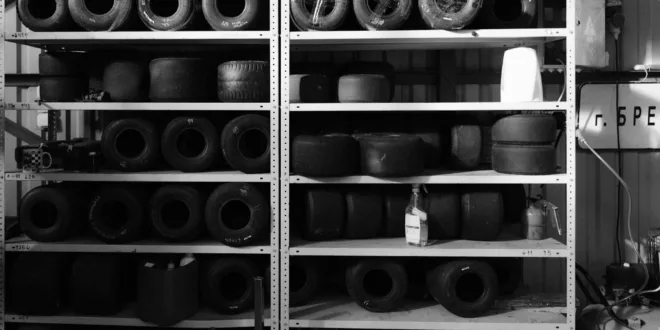
Garage Organization Tire Storage: How to Combine Tire Racks with Tool Systems for a Clutter‑Free Space
Organizing a garage often feels like solving a puzzle where every piece competes for space. When you add seasonal tires to the mix, the challenge grows. This guide shows how to integrate garage organization tire storage with your existing tool setup, so you can keep both tires and tools accessible, safe, and out of the way.
@@DASH_LI_START@@–
Decision Criteria: Choosing the Right Tire Storage Solution
Before you buy anything, ask yourself these questions:
- Space availability:* Do you have wall space, floor area, or both? Measure the length, width, and ceiling height of the usable zone.
- Weight capacity:* A standard passenger‑car tire weighs 20‑30 lb, while an SUV tire can exceed 40 lb. Ensure the rack or shelf can handle the load.
- Access frequency:* Will you rotate tires seasonally or store them for years? Easy pull‑out designs are best for frequent changes.
- Tool compatibility:* Do you already have a wall‑mounted pegboard, slatwall, or freestanding workbench? Look for storage that can attach to or sit beside these systems.
- Budget and durability:* Steel racks last longer than plastic, but they cost more. Consider corrosion‑resistant finishes if your garage is humid.
By answering these criteria, you can narrow down options such as ceiling‑mounted hoists, floor‑standing racks, or modular wall units that double as tool shelves.@@DASH_LI_END@@
@@DASH_LI_START@@–Step‑by‑Step Checklist for a Seamless Installation
1. Plan the layout*
- Sketch a rough floor plan on graph paper.
- Mark the location of existing tools, workbench, and any permanent fixtures.
- Reserve a clear aisle of at least 3 ft for safe movement.
2. Select the storage type*
- Ceiling hoist*: Ideal for limited floor space; requires sturdy joists.
- Wall‑mounted rack*: Works well next to a pegboard; keeps tires at eye level.
- Freestanding rack*: Flexible placement; can incorporate a tool shelf on top.
3. Gather tools and safety gear*
- Drill, stud finder, level, socket set, safety glasses, and gloves.
4. Mark mounting points*
- Use a stud finder to locate joists or studs.
- Align the rack brackets with the studs; mark screw holes with a pencil.
5. Pre‑drill and secure*
- Drill pilot holes to prevent wood splitting.
- Use lag bolts or heavy‑duty screws as recommended by the manufacturer.
6. Attach the tire rack*
- Follow the product’s instructions; double‑check that the rack sits flush and level.
7. Integrate tool storage*
- If the rack has a flat top, add a metal shelf or a pegboard panel.
- Secure hooks, bins, or magnetic strips for wrenches, sockets, and small parts.
8. Load tires safely*
- Place the heaviest tire on the bottom tier.
- Use a rubber mat or tire cradle to protect rims.
9. Test the system*
- Pull one tire out and replace it to ensure smooth operation.
- Verify that tool accessories remain stable when the rack is loaded.
10. Label and document*
- Add a simple label (e.g., “Winter Tires”) to each tier.
- Keep a short note of the mounting hardware size for future adjustments.
—
Common Mistakes to Avoid
- Overloading a single shelf:* Even a sturdy rack can fail if all tires are stacked on one level. Distribute weight evenly.
- Ignoring ceiling joist spacing:* Ceiling hoists must anchor into joists, not just drywall. Use a stud finder and reinforce with a plywood backing if needed.
- Skipping a level‑check:* An uneven rack can cause tires to roll or tools to slide. Use a long level before tightening final bolts.
- Forgetting corrosion protection:* In humid climates, apply a rust‑inhibiting spray to steel components annually.
- Mixing incompatible materials:* Plastic bins may crack under tire weight; choose metal or heavy‑duty polymer containers.
—
When to Choose an Alternative Approach
If your garage has any of the following constraints, consider these alternatives:
- Very low ceiling (under 8 ft):* Opt for a low‑profile floor rack with a built‑in tool drawer instead of a ceiling hoist.
- Limited wall space:* Use a portable tire cart that rolls to the workbench when needed.
- Frequent vehicle changes:* A modular slatwall system with removable tire brackets lets you reconfigure quickly.
- Rental property:* Non‑permanent solutions like tension‑rod racks avoid drilling into walls or ceilings.
—
Frequently Asked Questions
Q1: Can I store winter tires and summer tires on the same rack?*@@DASH_LI_END@@
A: Yes, as long as the rack’s weight rating exceeds the combined load. Separate the sets with a clear label to avoid confusion.
Q2: How often should I inspect the mounting hardware?*
A: Check bolts and brackets at least twice a year—once after the seasonal tire change and once during routine garage cleaning.
Q3: Is it safe to store tires near flammable chemicals?*
A: Tires themselves are not highly flammable, but keep them away from gasoline, oil, or solvents to reduce fire risk.
Q4: What’s the best way to protect rims from scratches while on the rack?*
A: Use rubber tire cradles or a soft cloth liner on each shelf. A thin piece of carpet can also work well.
Q5: Can I combine a tire rack with a workbench?*
A: Absolutely. Choose a freestanding rack with a flat top that can support a sturdy workbench, or install a wall‑mounted rack directly above the bench for vertical efficiency.
@@DASH_LI_START@@–
Conclusion
Integrating garage organization tire storage with your tool system transforms a cluttered garage into a functional workspace. By evaluating space, weight capacity, and access needs, then following a clear installation checklist, you can protect both tires and tools while keeping everything within reach. Avoid common pitfalls, choose the right type of rack for your garage’s constraints, and you’ll enjoy a tidy, efficient space year after year.@@DASH_LI_END@@
Editorial note:* This article is intended as practical planning guidance. Always verify product specifications, local codes, and site conditions before making final decisions.
Author bio:* Written by the editorial team, with a focus on practical planning, clear homeowner guidance, and SEO-friendly educational content.