
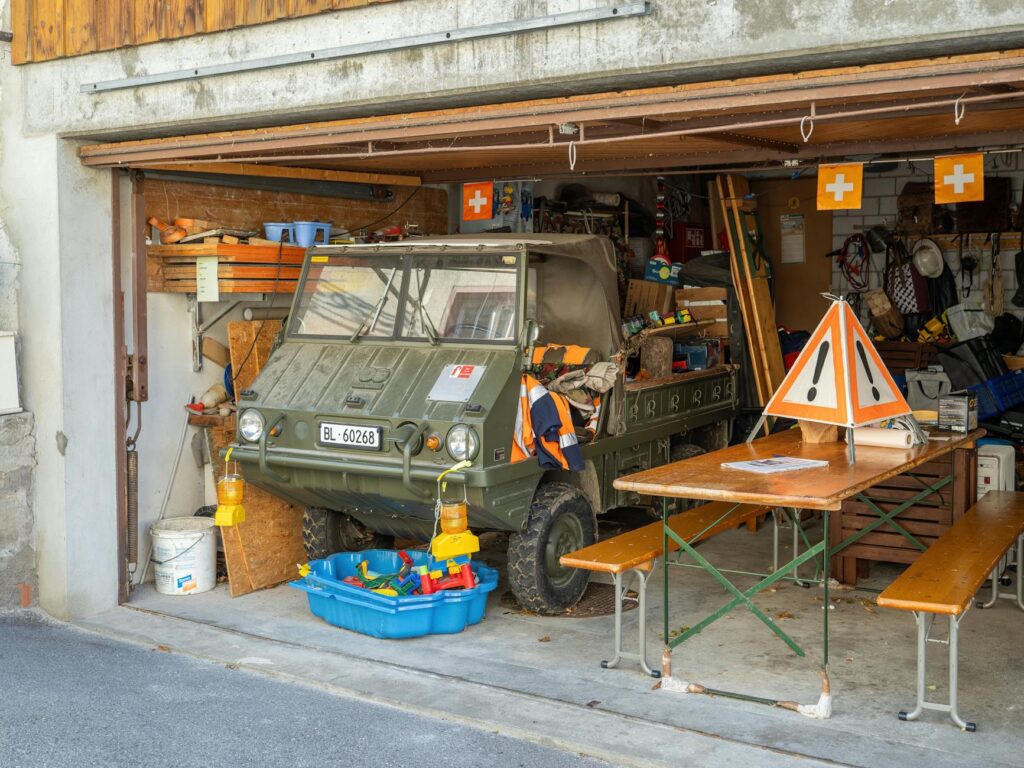
Cost‑Effective Garage Extensions for Oversized Vehicles
Primary keyword:* garage extension for oversized vehicle
Homeowners with trucks, RVs, or custom builds quickly discover that a standard two‑car garage often falls short. A well‑planned garage extension can add the needed square footage without breaking the bank. This guide walks you through the most practical decisions, a step‑by‑step checklist, common pitfalls, and when a different solution might be smarter.
@@DASH_LI_START@@–
Decision Criteria: What Makes a Garage Extension Worth It?
1. Vehicle dimensions* – Measure the length, width, and height of the vehicle you need to store. Add at least 2 feet of clearance on each side and 3 feet at the front and rear for safe maneuvering.
—
Step‑by‑Step Checklist for a Garage Extension for Oversized Vehicle
1. Assess the Space
- Measure the existing garage and the lot line.
- Sketch a rough layout that adds the required width or length.
2. Get a Rough Cost Estimate
- Contact at least two local contractors for quotes.
- Compare material options (standard wood framing vs. steel studs) and finish choices (metal siding, vinyl, or low‑cost stucco).
3. Verify Permits
- Submit plans to the building department.
- Include structural calculations if you’re adding a roof over a larger span.
4. Choose a Foundation
- For a modest 8 × 12 ft addition, a poured concrete slab is usually the most economical.
- Ensure proper drainage by sloping the slab away from the house.
5. Frame the Structure
- Use 2×4 or 2×6 studs spaced 16 in. on center.
- Add extra bracing if you expect high winds or heavy snow loads.
6. Install Roofing and Siding
- Opt for a simple gable roof with asphalt shingles – inexpensive and easy to match existing roofing.
- Vinyl siding is low‑maintenance and cost‑effective; match the existing color for a seamless look.
7. Finish the Interior
- Install a concrete floor or a budget‑friendly epoxy coating.
- Add basic lighting and a heavy‑duty garage door opener sized for the larger opening.
8. Final Inspection
- Schedule the required city inspection.
- Keep all receipts and permits for future resale documentation.
—
Common Mistakes to Avoid
- Under‑estimating clearance* – Skimping on side or front clearance makes parking a daily hassle.
- Skipping the soil test* – Unstable soil can lead to foundation cracks; a simple percolation test can save costly repairs.
- Ignoring future needs* – Building an extension that only fits today’s vehicle may limit resale value.
- Choosing the cheapest materials without durability* – Low‑grade siding may need replacement within a few years, eroding any upfront savings.
- Overlooking ventilation* – Proper airflow prevents moisture buildup and protects both the vehicle and the structure.
—
When to Consider Alternatives
| Situation | Recommended Alternative |
|---|---|
| Limited lot width | Install a <strong>car lift</strong> inside the existing garage to stack vehicles vertically. |
| Very high budget constraints | Use a <strong>detachable carport</strong> with a reinforced steel frame; it provides shelter without permanent construction. |
| Complex zoning restrictions | Apply for a <strong>temporary variance</strong> or explore a <strong>detached accessory building</strong> that meets local setbacks. |
| Need for multi‑purpose space | Build a <strong>modular workshop</strong> that can be reconfigured for storage, a home gym, or a hobby area. |
—
Frequently Asked Questions
How much does a garage extension for an oversized vehicle typically cost?*
Costs vary by region and material choices, but most homeowners see $30‑$70 per square foot for a basic, code‑compliant addition.
Do I need a permit for a small extension?*
In most U.S. jurisdictions, any addition that changes the footprint, height, or structural load requires a building permit. Check with your local building department.
Can I do the framing myself to save money?*
DIY framing can reduce labor costs, but you must still meet local code requirements and pass inspection. If you’re not comfortable with structural work, hiring a licensed carpenter is advisable.
What roof style is most cost‑effective?*
A simple gable roof with asphalt shingles is usually the cheapest and easiest to match to an existing roof.
How do I ensure the new garage door fits the larger opening?*
Order a custom‑size door or a double‑door system that meets the clearance you calculated. Verify the opener’s horsepower rating for the heavier door weight.@@DASH_LI_END@@ @@DASH_LI_START@@–
Conclusion
A well‑executed garage extension for oversized vehicle owners balances budget, code compliance, and future flexibility. By following the decision criteria, checklist, and avoiding common mistakes, you can create a functional space that protects your investment and adds value to your home.@@DASH_LI_END@@
Editorial note:* This article is intended as practical planning guidance. Always verify product specifications, local codes, and site conditions before making final decisions.
Author bio:* Written by the editorial team, with a focus on practical planning, clear homeowner guidance, and SEO-friendly educational content.
