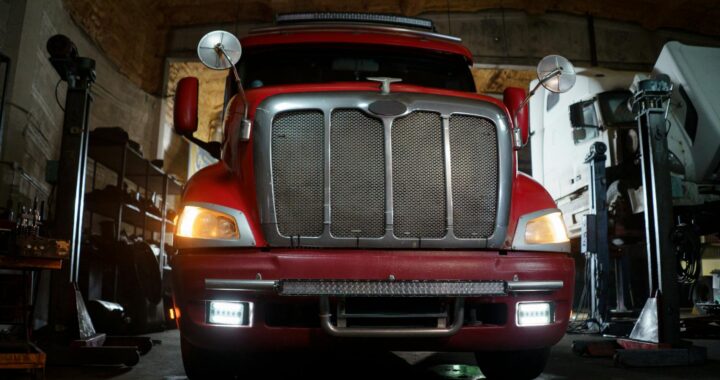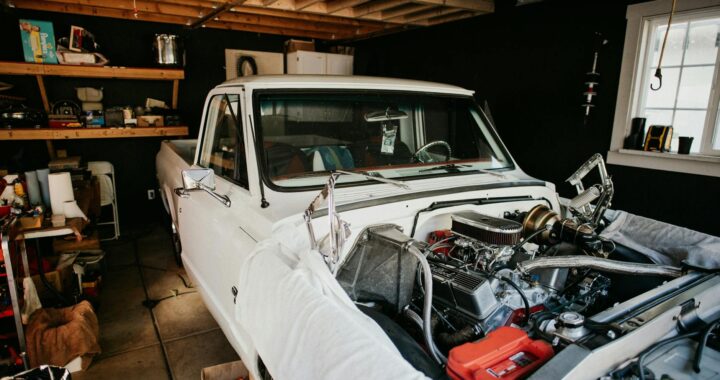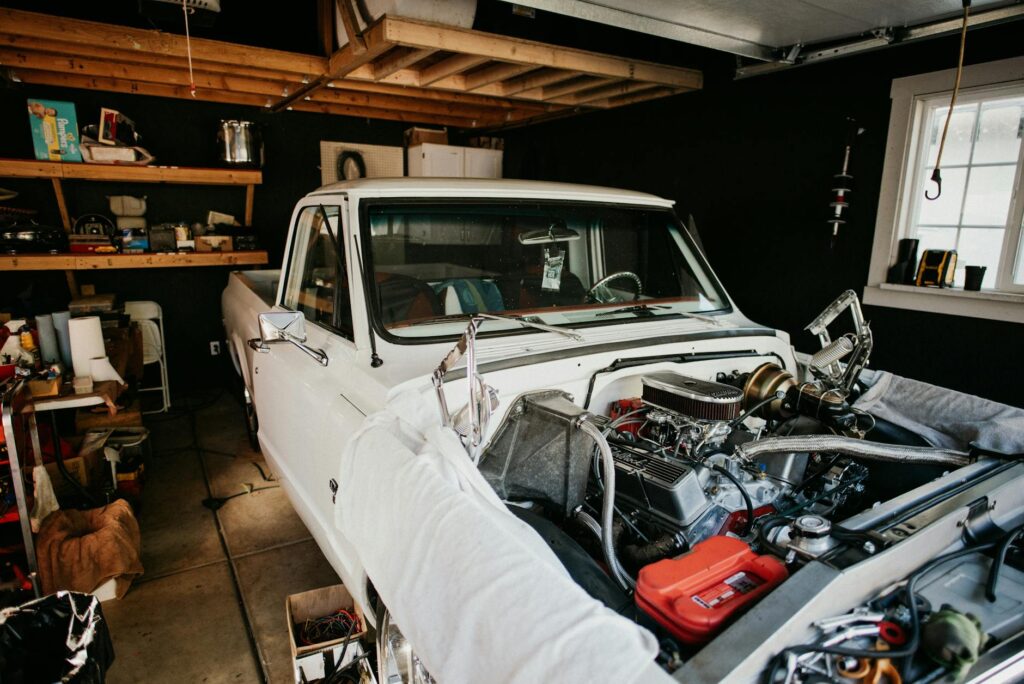
Ultimate Guide to Two‑Car Garage Truck Fitment
Introduction*
If you own a pickup or a full‑size truck and wonder whether it can comfortably share a two‑car garage, you’re not alone. Homeowners across the United States face the same question when they upgrade vehicles, buy a second truck, or simply want to maximize storage space. This guide walks you through the exact measurements you need, the decision criteria to consider, a practical checklist, and the most common pitfalls to avoid. By the end, you’ll know if a two‑car garage truck fitment is feasible for your property and how to make it work safely.
@@DASH_LI_START@@–
Assessing Two Car Garage Truck Fitment
Before you start moving boxes or ordering a new garage door, gather the basic dimensions of both your garage and the truck you plan to store.@@DASH_LI_END@@
Item Typical Range (US homes) What to Measure <strong>Garage width</strong> 18‑20 ft (5.5‑6.1 m) Inside wall‑to‑wall distance at floor level <strong>Garage depth</strong> 20‑24 ft (6.1‑7.3 m) From interior door jamb to the back wall <strong>Ceiling height</strong> 7‑9 ft (2.1‑2.7 m) From floor to lowest ceiling point <strong>Truck width</strong> (including mirrors) 6‑8 ft (1.8‑2.4 m) Measure at the widest point, mirrors included <strong>Truck length</strong> 18‑22 ft (5.5‑6.7 m) From front bumper to rear bumper <strong>Truck height</strong> 6‑7 ft (1.8‑2.1 m) Ground to roof peak
Key take‑away:* A standard two‑car garage can usually accommodate a compact pickup, but full‑size trucks often require extra clearance, especially when you factor in side mirrors and opening the garage door.
@@DASH_LI_START@@–
Decision Criteria: When Is It Worth It?
1. Primary vehicle vs. secondary use* – If the truck is your daily driver, you’ll likely need more clearance than if it’s only for occasional projects.
—
Step‑by‑Step Checklist for a Successful Fit
- @@DASH_LI_END@@
- Measure the garage interior. Use a laser distance measurer for accuracy. Record width, depth, and height at multiple points because older homes often have sloped ceilings.
- Measure the truck. Include mirrors, side steps, and any aftermarket accessories that add width or height.
- Calculate clearance. Subtract the truck’s width from the garage width. Aim for at least 12‑18 inches of side clearance total (6‑9 inches each side) to allow for door opening and safe maneuvering.
- Check door swing. If you have a swing‑out garage door, ensure the truck can clear the door when it opens. A sliding door often provides more usable width.
- Plan for storage zones. Sketch a floor plan showing where the truck will park, where you’ll place shelving, and any workbench or tool area.
- Leave a minimum of 2‑3 ft (0.6‑0.9 m) behind the truck for a safe exit.
- Consider a wall‑mounted bike rack or overhead storage to free floor space.
- Assess ventilation and lighting. Trucks emit fumes; ensure the garage has adequate exhaust fans or a vented door.
- Evaluate floor load capacity. A full‑size truck can weigh 5,000‑7,000 lbs (2,300‑3,200 kg). Verify that the slab is rated for that load, especially if you plan to store heavy tools underneath.
- Decide on modifications. If clearance is short, consider:
- Installing a taller garage door (up to 9 ft).
- Removing interior wall studs to widen the opening (consult a structural engineer).
- Adding a recessed parking platform to lower the truck’s height relative to the ceiling.
- Finalize the plan. Write down the chosen configuration, required materials, and a realistic timeline.
- Execute safely. Use proper lifting equipment for heavy items, and always wear safety glasses when cutting or drilling.
Common Mistakes to Avoid
- Assuming “standard” dimensions apply.* Every garage is unique; older homes often have irregular framing.
- Ignoring mirror width.* Side mirrors can add up to 2 ft (0.6 m) to overall width.
- Overlooking door clearance.* A truck that fits width‑wise may still hit the garage door when it opens.
- Skipping load‑capacity checks.* A weak slab can crack under a heavy truck, leading to costly repairs.
- Forgetting ventilation.* Running a diesel engine in a sealed garage creates hazardous fumes.
- Rushing modifications without permits.* Structural changes may require city approval; skipping this step can cause legal headaches.
—
When to Consider Alternatives
If after measuring you find that the required clearance is less than 12 inches total, or if modifications would exceed 15‑20% of your home‑improvement budget, explore these options:
- Detached carport* – Provides ample width and height without altering the existing garage.
- Outdoor storage shed* – Ideal for trucks used mainly for work projects.
- Rental storage unit* – A short‑term solution while you plan a permanent garage expansion.
- Dual‑door garage conversion* – Replace a single swing door with a double sliding door to gain extra width.
—
Frequently Asked Questions
Q1: Can I park a full‑size pickup in a standard two‑car garage?*@@DASH_LI_END@@
A: It’s possible, but you need at least 12‑18 inches of total side clearance and a ceiling height of 7.5‑8 ft. Measure both the garage and the truck carefully before deciding.
Q2: Do I need a building permit to widen my garage door?*
A: Most US jurisdictions require a permit for structural changes, including widening a door opening. Check with your local building department to confirm.
Q3: How much does it cost to raise a garage ceiling?*
A: Costs vary widely based on region and scope, but homeowners typically spend $3,000‑$7,000 for a professional ceiling raise that adds 12‑18 inches of height.
Q4: Will a garage door opener need to be upgraded for a taller door?*
A: Yes. A taller door often requires a more powerful opener and longer rail. Choose a model rated for the door’s weight and height.
Q5: Is it safe to run a diesel engine inside the garage?*
A: Only if the garage is well‑ventilated with a functional exhaust fan or open doors. Prolonged idling without ventilation can lead to carbon monoxide buildup.
@@DASH_LI_START@@–
Conclusion
A two car garage truck fitment is achievable for many U.S. homeowners when you start with accurate measurements, realistic clearance goals, and a clear plan for any needed modifications. By following the checklist, avoiding common mistakes, and weighing alternatives when the fit is too tight, you can keep your truck protected from the elements while preserving valuable indoor storage space.@@DASH_LI_END@@ @@DASH_LI_START@@–
Editorial Note
This article is intended as practical planning guidance. Always verify product specifications, local codes, and site conditions before making final decisions.@@DASH_LI_END@@