How to Choose the Right Garage Size for Your Ford F-150
Finding the perfect garage size for your Ford F-150 can feel like a puzzle. The right dimensions protect your truck, make daily use comfortable, and leave room for tools or future upgrades. This guide walks you through the essential criteria, a practical checklist, and common pitfalls so you can plan a garage that works for you and your vehicle.*
@@DASH_LI_START@@–
Understanding Your Truck’s Footprint
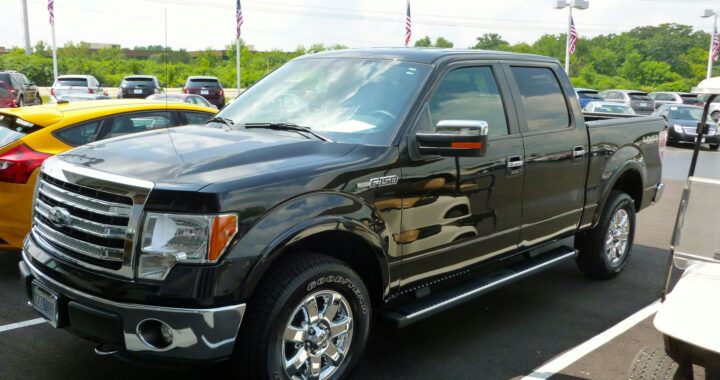
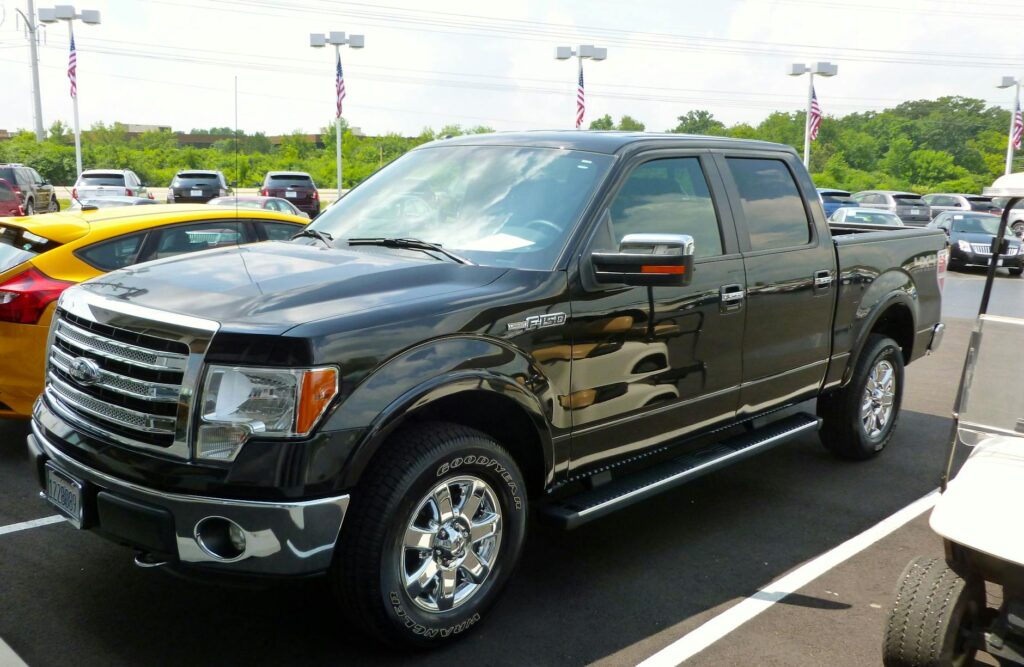
Before you start measuring walls, know the exact dimensions of the model you own. The 2024 Ford F-150, for example, ranges from about 197 to 250 inches in overall length, 79 to 86 inches in width, and 77 to 80 inches in height, depending on cab style and bed length. These numbers matter because they determine the minimum clearances you’ll need for safe entry, exit, and maneuvering.@@DASH_LI_END@@
Ford F-150 Variant Length (in) Width (in) Height (in) Recommended Garage Width (in) Recommended Garage Height (in) Regular Cab, 5.5‑ft Bed 197 79 77 120 84 SuperCab, 6.5‑ft Bed 221 80 78 130 86 SuperCrew, 8‑ft Bed 250 86 80 150 88
The table shows a comfortable clearance of at least 12‑15 inches on each side and 4‑6 inches overhead. Adding extra space lets you open the tailgate, walk around the truck, and store items like a workbench or lawn equipment.
@@DASH_LI_START@@–
How to Determine the Garage Size for Ford F-150
When you search for garage size for ford f150, you’re really looking for a blend of three factors:
1. Vehicle Envelope* – The raw dimensions of the truck plus a safety buffer.
Decision Criteria
- Width: Aim for a minimum interior width of 12 feet for a single‑cab F‑150 and 14‑15 feet* for a SuperCrew with a long bed. This gives you room to walk around and store a lawn mower.
- Depth: A standard 20‑foot garage works for most trucks, but an 8‑ft bed may need 22‑24 feet* to avoid a tight fit.
- Height: At least 8 feet* ceiling clearance; 9 feet is ideal if you plan to install overhead storage.
- Door Size:* A 9‑foot wide, 7‑foot tall door is common, but a 10‑foot door reduces the risk of scraping the tailgate.
- Local Building Codes:* Verify minimum clearances, fire ratings, and any setback requirements in your municipality.
—
Step‑by‑Step Checklist for Planning Your Garage
2. Measure Your Truck*
- Use a tape measure to record length, width, and height.
- Add 12 inches to width and depth, 6 inches to height for clearance.
3. Sketch a Floor Plan*
- Draw the outline of the garage on graph paper (1/4″ = 1 ft).
- Mark the truck’s footprint and any additional storage zones.
4. Select Door Dimensions*
- Choose a door that exceeds the truck’s width plus clearance.
- Consider a double‑wide door if you anticipate a second vehicle.
5. Check Ceiling Height*
- Ensure the roof framing allows for the desired clearance.
- Plan for lighting, HVAC, or a ceiling-mounted workbench.
6. Account for Utilities*
- Locate electrical panels, outlets, and lighting fixtures.
- Plan for a dedicated circuit for power tools if needed.
7. Review Local Codes*
- Confirm setbacks, fire separation, and ventilation requirements.
8. Budget for Finish Options*
- Decide on concrete slab thickness, insulation, and wall finish.
9. Get Professional Input*
- Consult a contractor or architect for structural concerns.
10. Finalize Dimensions*
- Add a final 2‑inch buffer to all measurements to accommodate construction tolerances.
11. Order Materials*
- Purchase doors, framing lumber, and any prefabricated wall panels.
—
Common Mistakes to Avoid
| Mistake | Why It Hurts | How to Fix It |
|---|---|---|
| <strong>Undersizing the Width</strong> | You’ll constantly scrape the side mirrors and have no room to walk around. | Add at least 12‑15 inches to the truck’s width before finalizing the garage width. |
| <strong>Ignoring Door Swing</strong> | A standard 7‑ft door may hit the tailgate when opened. | Choose a 9‑ft or 10‑ft door, or install a side‑hinged door for larger trucks. |
| <strong>Forgetting Future Needs</strong> | You may later need space for a second vehicle or a workbench. | Design with a 2‑foot extra depth and consider a double‑wide door. |
| <strong>Skipping Local Code Review</strong> | Non‑compliant garages can lead to costly retrofits or fines. | Check city or county building department early in the design phase. |
| <strong>Overlooking Ceiling Clearance</strong> | Low ceilings limit storage and make it hard to stand upright. | Aim for at least 9‑ft ceiling height for flexibility. |
—
When a Standard Single‑Car Garage Isn’t Enough
If you own multiple trucks, a large SUV, or need a dedicated workshop, a detached two‑car garage or a carport with a side wall may be more practical. Here are a few alternatives:
- Two‑Car Detached Garage (20×24 ft):* Provides ample room for two trucks, a workbench, and storage cabinets.
- Carport with Sidewall (16×20 ft):* Offers protection from the elements while keeping construction costs lower.
- Modular Steel Building:* Quick to assemble, customizable width, and often includes pre‑engineered doors.
Each option should still respect the minimum clearances outlined above, especially the width needed for the F‑150’s tailgate swing.@@DASH_LI_END@@ @@DASH_LI_START@@–
Frequently Asked Questions
Do I need a larger garage if I have a SuperCrew with an 8‑ft bed?*
- Yes. An 8‑ft bed adds length and width, so a garage width of 14‑15 feet and depth of 22‑24 feet is recommended for comfortable maneuvering.
Can I install a garage door opener on a 10‑ft door?*
- Absolutely. Most residential openers support doors up to 10 feet wide; just verify the motor’s torque rating for the door’s weight.
Is a 9‑ft ceiling enough for a workbench?*
- It’s sufficient for most bench heights (36‑42 in), but if you plan to install overhead storage, a 9‑ft ceiling gives you more flexibility.
What insulation should I use in a garage that stores a truck?*
- R‑13 fiberglass batts in the walls and R‑19 in the ceiling are common for temperate climates; add a vapor barrier if you live in a humid region.
Do I need a permit to build a new garage?*
- Most U.S. jurisdictions require a building permit for new structures over 120 sq ft. Check with your local building department before breaking ground.
How far should the garage be from my house for fire safety?*
- A typical setback is 10‑12 feet from the house, but local codes may specify a different distance.
—
Conclusion
Choosing the right garage size for Ford F-150 owners is about more than just fitting the truck inside. By measuring the vehicle, adding sensible clearance, and planning for door swing, ceiling height, and future storage, you create a functional space that protects your investment and enhances daily convenience. Use the checklist, avoid the common mistakes, and verify local regulations to ensure your garage is safe, legal, and perfectly sized for your F‑150.@@DASH_LI_END@@ @@DASH_LI_START@@–
Editorial Note
This article is intended as practical planning guidance. Always verify product specifications, local codes, and site conditions before making final decisions.@@DASH_LI_END@@