 aloberita Kumpulan Berita dan Informasi terbaru dari berbagai sumber yang terpercaya
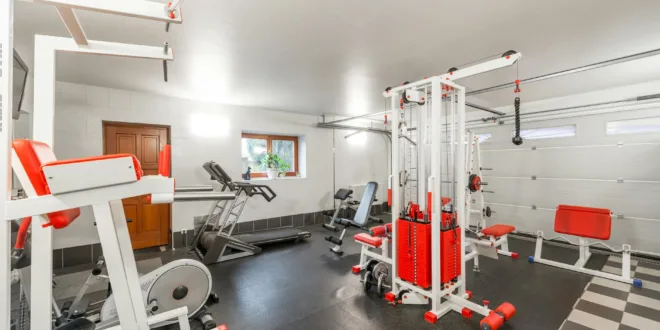
Essential Garage Gym Equipment Checklist
Creating a garage gym is one of the most cost‑effective ways to bring consistent training into your daily routine. Whether you’re a beginner looking for a few basic tools or an experienced lifter wanting a complete setup, a clear garage gym equipment checklist helps you stay focused, avoid overspending, and ensure safety. Below you’ll find a step‑by‑step guide that covers the essential items, decision criteria, common pitfalls, and alternatives.
@@DASH_LI_START@@–
Why a Checklist Matters
A well‑structured checklist turns a vague idea—”I want a garage gym”—into a concrete plan. It lets you:
- Prioritize items that give the biggest functional return.
- Match equipment size to the dimensions of your garage.
- Stay within budget while still covering all major movement patterns.
- Verify that each piece meets safety standards and your personal goals.
—
Decision Criteria Before You Buy
| Criterion | What to Consider | Why It Matters |
|---|---|---|
| <strong>Space & Ceiling Height</strong> | Measure floor area and ceiling clearance. Leave at least 3 ft of clearance for overhead lifts. | Prevents hitting the ceiling with barbells or a pull‑up bar. |
| <strong>Primary Training Goals</strong> | Strength, cardio, mobility, or mixed? | Guides equipment type (e.g., power rack vs. treadmill). |
| <strong>Budget Allocation</strong> | Set a realistic budget split: 40 % for core strength gear, 30 % for cardio, 20 % for accessories, 10 % for flooring. | Keeps spending balanced across functional zones. |
| <strong>Future Expansion</strong> | Choose modular or foldable pieces that can be added later. | Allows the gym to grow without major re‑layout. |
| <strong>Noise & Neighbors</strong> | Consider rubber flooring, quieter machines, and vibration dampening. | Reduces disturbance to household members and neighbors. |
—
Core Items for a Fully Functional Garage Gym
Below is the garage gym equipment checklist broken into categories. Tick each box as you confirm the item meets your criteria.
1. Strength Foundations
- Power Rack or Squat Stand* – Provides safety bars for squats, bench presses, and pull‑ups. Look for a rack with a weight‑capacity rating above your max lift.
- Adjustable Bench* – Flat, incline, and decline positions cover most pressing movements.
- Barbell & Weight Plates* – Olympic‑standard (2.2 m, 20 kg) barbell with a mix of 2.5 kg to 20 kg plates.
- Dumbbells* – Adjustable set (5–50 lb) saves space and offers a range of exercises.
- Kettlebells* – 12 kg, 16 kg, and 24 kg are versatile for swings, goblets, and Turkish get‑ups.
2. Cardio & Conditioning
- Foldable Treadmill or Rowing Machine* – Choose a model with a low footprint and easy storage.
- Jump Rope* – Simple, high‑intensity cardio that requires virtually no space.
- Battle Ropes (optional)* – Anchor to a sturdy beam for functional conditioning.
3. Mobility & Functional Training
- Pull‑Up Bar* – Can be mounted on the rack or ceiling joist.
- Resistance Bands* – Light, medium, and heavy bands for warm‑ups and assisted work.
- Gymnastic Rings* – Hang from the ceiling for body‑weight rows and dips.
- Foam Roller & Stretch Mat* – Essential for recovery and flexibility work.
4. Flooring & Safety
- Interlocking Rubber Tiles (3/8‑in thick)* – Protects the garage floor and reduces noise.
- Wall Padding (optional)* – Useful if you plan to do heavy sled pushes or drop‑sets.
5. Accessories & Storage
- Weight Tree or Rack* – Keeps plates organized and off the floor.
- Wall‑Mounted Shelves* – Store bands, ropes, and small accessories.
- Mirrors (optional)* – Helpful for form checks, but not required.
—
Step‑by‑Step Setup Guide
1. Measure & Plan Layout* – Sketch a floor plan on graph paper. Mark zones for strength, cardio, and mobility.
—
Common Mistakes to Avoid
- Skipping Floor Protection* – Concrete can crack under heavy loads; rubber tiles prevent damage and reduce vibration.
- Overloading the Ceiling* – Always check joist ratings before hanging rings or a pull‑up bar.
- Buying Too Much Too Soon* – Start with the core strength items; cardio can be added later.
- Ignoring Noise* – Machines with loud motors can disturb the household; opt for quieter models or add acoustic panels.
- Neglecting Ventilation* – A garage can become hot; consider a portable fan or a small HVAC unit.
—
When to Choose Alternatives
- Limited Ceiling Height (<8 ft)* – Skip the power rack in favor of a squat stand and free‑standing pull‑up bar.
- Very Tight Budget (<$800)* – Prioritize a barbell set, adjustable dumbbells, and rubber flooring; use body‑weight exercises for cardio.
- Space Constraints* – Consider a compact “garage gym in a box” kit that folds flat when not in use.
—
Frequently Asked Questions
What is the minimum square footage needed for a functional garage gym?*
A typical layout works well in 150–200 sq ft, allowing enough room for a power rack, bench, and cardio machine while maintaining safe clearance.
Do I need a dedicated power outlet for cardio equipment?*
Yes. Most treadmills and rowing machines require a 120 V outlet on a dedicated circuit to avoid tripping the breaker.
Can I use my garage’s existing concrete floor without rubber tiles?*
It’s possible, but rubber flooring protects both your equipment and the floor, reduces noise, and provides a safer surface for dropped weights.
How much should I budget for a complete garage gym?*
A solid mid‑range setup typically falls between $2,000 and $3,500, depending on brand choices and optional accessories.
Is a power rack necessary for beginners?*
While not mandatory, a power rack offers safety and versatility that benefit lifters of all levels, especially when training alone.@@DASH_LI_END@@ @@DASH_LI_START@@–
Conclusion
A thoughtful garage gym equipment checklist turns a cluttered space into a reliable training hub. By measuring your garage, prioritizing core strength gear, and adding cardio and mobility tools strategically, you create a balanced environment that supports every fitness goal. Remember to verify load capacities, respect ceiling height, and protect your floor—these simple steps keep your gym safe, functional, and enjoyable for years to come.@@DASH_LI_END@@ @@DASH_LI_START@@–
Editorial Note
This article is intended as practical planning guidance. Always verify product specifications, local codes, and site conditions before making final decisions.@@DASH_LI_END@@