 aloberita Kumpulan Berita dan Informasi terbaru dari berbagai sumber yang terpercaya
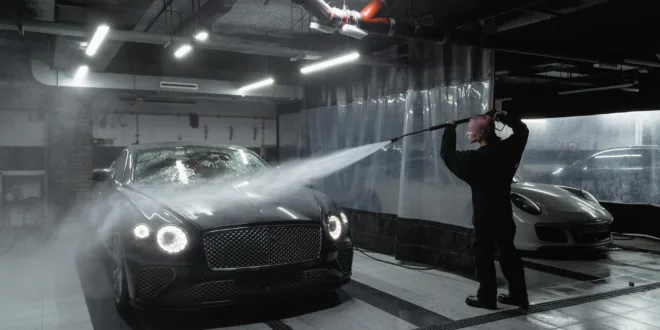
Complete Guide to Setting Up a Professional Garage Detailing Station
Primary keyword:* garage detailing station setup guide
@@DASH_LI_START@@–
Introduction
If you spend weekends polishing, washing, and restoring vehicles, you know that a cluttered garage can turn a satisfying detail into a frustrating chore. A well‑designed garage detailing station gives you a dedicated space for tools, water, and power, while keeping the rest of your garage functional for storage or other projects. This garage detailing station setup guide walks you through the decisions you’ll face, the equipment you’ll need, and the workflow tricks that keep the process efficient and safe.@@DASH_LI_END@@ @@DASH_LI_START@@–
Planning Your Space – The Core of a Garage Detailing Station Setup Guide
Before you buy a pressure washer or a foam cannon, map out the physical constraints of your garage. Answer these questions:
- Square footage:* How many square feet can you allocate without blocking the driveway or other storage?
- Ceiling height:* Will you need overhead lighting or a ceiling‑mounted hose reel?
- Ventilation:* Is there a window, exhaust fan, or portable air mover to handle fumes and moisture?
- Floor condition:* Concrete is ideal, but does it need sealing or a slip‑resistant coating?
A simple floor‑plan sketch (even on graph paper) helps you visualize the flow from vehicle entry, to wash, to dry, and finally to finish work. Keep the vehicle’s length and width in mind; a typical full‑size sedan needs at least 12 ft of clear length and 6 ft of width.@@DASH_LI_END@@
@@DASH_LI_START@@–Choosing the Right Equipment
| Equipment Category | Recommended Features | Why It Matters |
|---|---|---|
| Pressure Washer | 3,000–4,000 psi, 4–5 gpm, hot‑water option | Removes grime quickly without damaging paint |
| Foam Cannon | Adjustable nozzle, compatible with your washer | Produces thick foam that lifts dirt before rinsing |
| Dual‑Action Polisher | Variable speed, ergonomic grip | Allows safe, even polishing on large surfaces |
| Microfiber Towels | 300 gsm, low‑lint | Prevents swirl marks and protects finish |
| Water Reclamation System | 50‑gal tank, quick‑drain valve | Reduces water usage and meets local regulations |
| Lighting | LED floodlights, color‑temperature 5,000 K | Provides clear visibility for spotting imperfections |
| Storage Cabinets | Powder‑coated steel, lockable | Keeps chemicals and tools organized and safe |
When selecting each item, prioritize durability, warranty, and ease of maintenance. Avoid the cheapest options that may rust or fail under regular use.@@DASH_LI_END@@ @@DASH_LI_START@@–
Power and Water Supply Considerations
A professional‑grade detailing station often requires more power than a standard garage outlet provides. Here’s what to check:
1. Electrical Load:* Calculate the total amperage of all devices (e.g., pressure washer 13 A, polisher 8 A, lighting 5 A). If the sum exceeds 80 % of a dedicated 20 A circuit, install a separate 30 A circuit with a GFCI breaker.
—
Layout and Workflow Checklist
A logical layout reduces movement and protects both the vehicle and the operator. Use the following checklist when arranging your station:
- Entry Zone:* Clear path for the car to drive in and out without backing.
- Pre‑Wash Area:* Space for a hose reel, foam cannon, and quick‑rinses.
- Wash Bay:* Central zone with pressure washer, water reclamation tank, and drainage.
- Drying Zone:* Low‑speed dryer or microfiber towels, with a separate power outlet to avoid overload.
- Detailing Zone:* Polisher, applicator pads, and a bench for interior work.
- Storage Zone:* Cabinets for chemicals, brushes, and protective gear.
- Ventilation & Lighting:* Position fans and lights to cover the entire workflow.
Sample Floor‑Plan Table
| Zone | Key Items | Recommended Size (sq ft) |
|---|---|---|
| Entry | Hose reel, floor mat | 20 |
| Pre‑Wash | Foam cannon, quick‑rinse hose | 30 |
| Wash Bay | Pressure washer, water tank | 80 |
| Drying | Air dryer, microfiber rack | 25 |
| Detailing | Polisher, bench, lighting | 40 |
| Storage | Cabinets, chemical shelf | 35 |
—
Step‑By‑Step Setup Checklist
2. Measure and Mark the Floor* – Use painter’s tape to outline each zone based on the table above.
—
Common Mistakes to Avoid
- Under‑estimating Power Needs:* Overloading a single 15 A circuit can trip breakers mid‑detail, risking damage to equipment.
- Skipping Water Reclamation:* In many US municipalities, excessive runoff can lead to fines; a simple tank can save water and money.
- Poor Lighting:* Low‑light areas hide swirl marks; invest in bright, color‑accurate LEDs.
- Cluttered Storage:* Storing chemicals near heat sources can cause degradation or fire hazards.
- Ignoring Ventilation:* Fumes from cleaners and polishers accumulate quickly; a portable exhaust fan mitigates health risks.
—
When to Choose Alternatives
Not every homeowner needs a full‑scale professional bay. Consider these alternatives if:
- Space is limited:* A portable detailing cart with a compact pressure washer can fit in a 6 × 8 ft area.
- Budget constraints:* Start with a high‑quality handheld pressure washer and add a water‑reclamation tank later.
- Frequent Mobile Detailing:* A trailer‑mounted detailing station provides flexibility for on‑site jobs.
Evaluate your long‑term goals, frequency of use, and local code requirements before committing to a permanent build.@@DASH_LI_END@@ @@DASH_LI_START@@–
Conclusion
A thoughtful garage detailing station setup guide transforms a chaotic garage into a focused, efficient workspace. By measuring your space, planning power and water needs, selecting durable equipment, and following a clear step‑by‑step checklist, you can create a professional‑grade detailing bay that saves time, reduces water waste, and protects your vehicle’s finish. Remember to revisit the layout after a few detailing sessions; small tweaks often yield the biggest productivity gains.@@DASH_LI_END@@ @@DASH_LI_START@@–
FAQ
What minimum power rating do I need for a pressure washer?*
A typical 3,000 psi pressure washer draws about 13 amps at 120 V. A dedicated 20 A circuit with GFCI protection is recommended.
Do I need a water reclamation system for a home garage?*
While not always legally required, a 50‑gallon tank helps you stay under local water‑use limits and reduces runoff.
Can I use a standard household hose for the pre‑wash?*
Yes, a standard 5/8‑in garden hose works for pre‑soak, but a quick‑connect fitting makes switching to the pressure washer easier.
How often should I replace microfiber towels?*
Replace them when they become worn, develop permanent stains, or after 30‑40 uses to maintain a lint‑free finish.
Is a concrete floor sufficient, or do I need a special coating?*
Concrete is fine if it’s level and sealed. A slip‑resistant epoxy coating adds durability and makes cleaning easier.@@DASH_LI_END@@ @@DASH_LI_START@@–
Editorial Note
This article is intended as practical planning guidance. Always verify product specifications, local codes, and site conditions before making final decisions.@@DASH_LI_END@@