 aloberita Kumpulan Berita dan Informasi terbaru dari berbagai sumber yang terpercaya
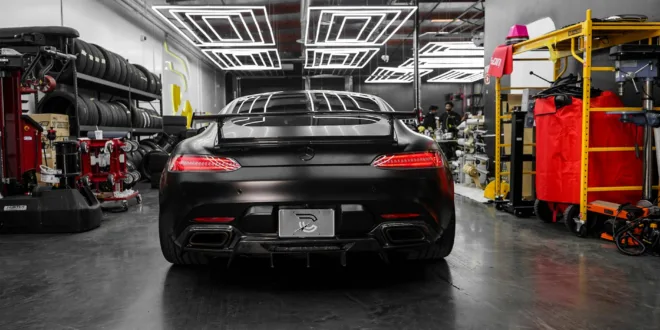
Garage Detailing Lighting Solutions: How to Light Your Workspace for Perfect Results
When you detail a car, the smallest flaw can become glaringly obvious under the wrong light. Proper illumination isn’t just a cosmetic nicety; it’s a functional necessity that helps you see paint imperfections, dust, and water spots clearly. This guide walks you through the most effective garage detailing lighting solutions, from choosing the right fixtures to avoiding common pitfalls.
Choosing garage detailing lighting solutions
1. Define your lighting goals
- Color accuracy* – Aim for a neutral white (around 5,500 K) to render true colors.
- Shadow reduction* – Use multiple light sources positioned to eliminate harsh shadows.
- Energy efficiency* – LED fixtures provide bright output with low power draw and long life.
2. Key decision criteria
| Criterion | What to Look For | Why It Matters |
|---|---|---|
| <strong>Color temperature</strong> | 5,000‑6,500 K (daylight) | Shows true paint colors and surface texture |
| <strong>CRI (Color Rendering Index)</strong> | 90+ | Higher CRI reveals subtle differences in finish |
| <strong>Lumens per watt</strong> | 80+ lm/W | Ensures bright light without high electricity costs |
| <strong>Beam spread</strong> | 120°‑180° for area lighting; narrow for spotlights | Balances overall coverage with focused inspection |
| Durability | IP65 rating for dust/moisture resistance | Garage environments can be harsh |
3. Types of fixtures
- Overhead LED panels* – Provide even, diffused light across the entire bay.
- Adjustable LED work lights* – Offer flexibility for close‑up inspection.
- LED strip lighting* – Ideal for under‑cabinet or shelf illumination.
- Portable battery‑powered lights* – Useful for mobile detailing or power outages.
Step‑by‑step checklist for installing lighting
1. Assess the space* – Measure ceiling height, wall length, and any obstructions.
Common mistakes to avoid
- Choosing the wrong color temperature* – Warm (2,700 K) lights mask paint defects; stick to daylight range.
- Over‑relying on a single light source* – One fixture creates shadows; use at least three points of light.
- Neglecting CRI* – Low CRI (<80) can distort colors, leading to missed imperfections.
- Skipping dimmers* – Fixed brightness can cause eye strain during long sessions.
- Ignoring heat buildup* – Even LEDs generate heat; ensure proper ventilation to maintain performance.
When to consider alternative lighting options
- Small, cluttered garages* – Portable work lights may be more practical than large panels.
- Budget constraints* – Start with a single high‑CRI LED panel and add spotlights later.
- Frequent power outages* – Battery‑powered or solar‑charged lights keep you working.
- Specialized detailing* – For paint correction, a high‑CRI, high‑lumens spotlight can provide the needed focus.
Frequently Asked Questions
Q: What color temperature is best for car detailing?*
A: A daylight range of 5,500 K to 6,500 K offers the most accurate color rendering for paint work.
Q: How important is CRI for garage detailing lighting solutions?*
A: CRI above 90 is recommended because it ensures colors appear true and subtle surface defects are visible.
Q: Can I use regular household bulbs for detailing?*
A: Household bulbs often have low CRI and inappropriate color temperature, which can hide flaws. LED fixtures designed for detailing are a better choice.
Q: Do I need a dimmer switch?*
A: Yes. Dimming lets you reduce glare for close‑up work and increase brightness for overall inspection, improving comfort and accuracy.
Q: Are LED lights safe for a garage environment?*
A: Look for fixtures with an IP65 rating or higher; they resist dust and moisture, making them suitable for typical garage conditions.
Conclusion
Choosing the right garage detailing lighting solutions transforms a dim, shadow‑filled space into a precise, efficient workstation. By focusing on color temperature, CRI, fixture placement, and energy efficiency, you’ll see every swirl, scratch, and speck of dust—ensuring a showroom‑ready finish every time.
Editorial note:* This article is intended as practical planning guidance. Always verify product specifications, local codes, and site conditions before making final decisions.
Author bio:* Written by the editorial team, with a focus on practical planning, clear homeowner guidance, and SEO‑friendly educational content.