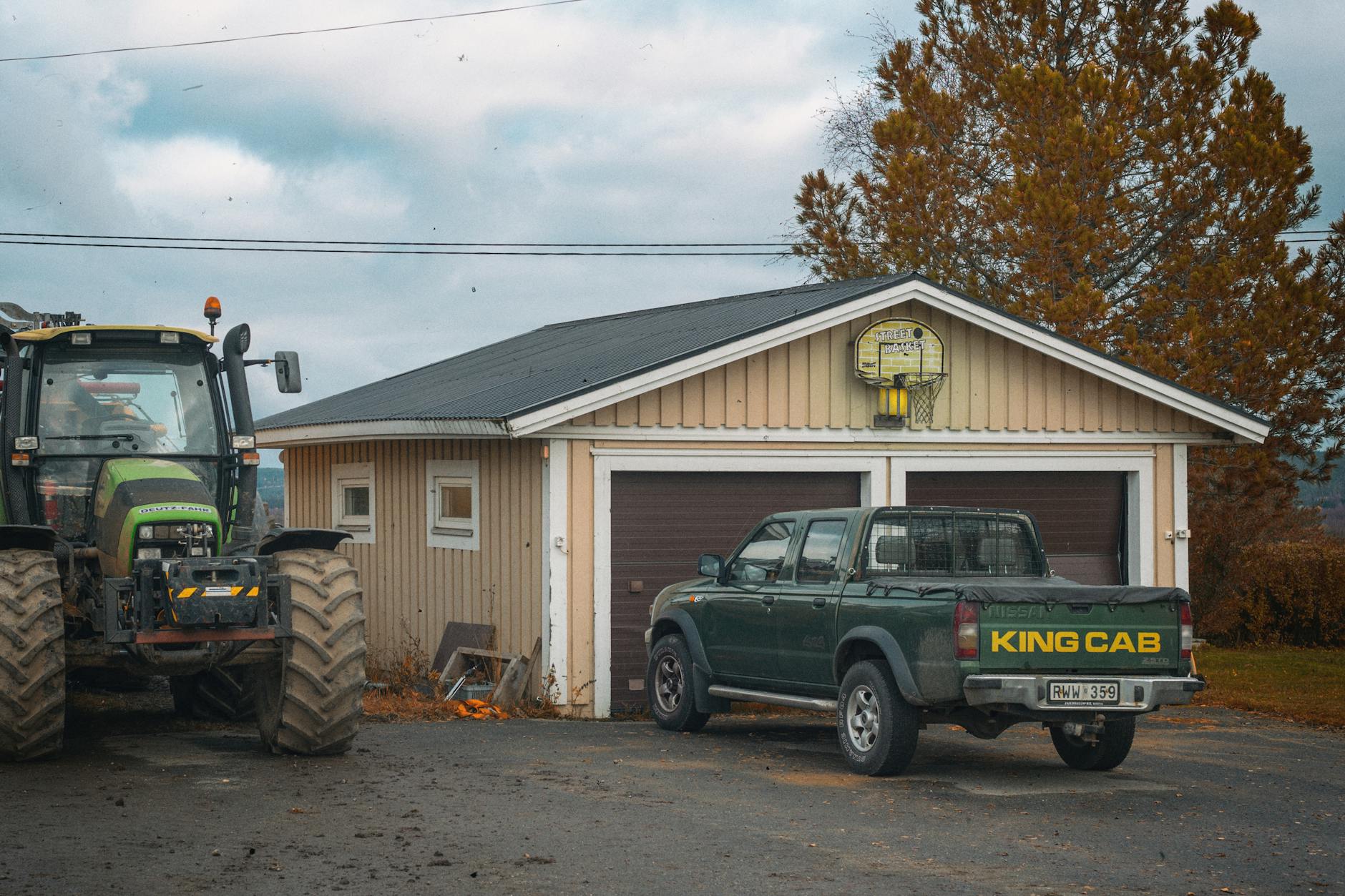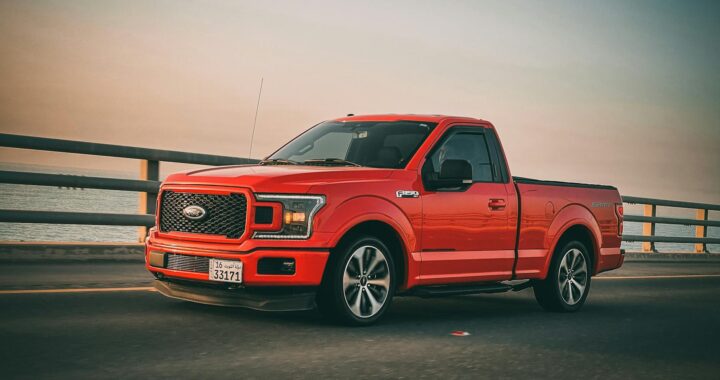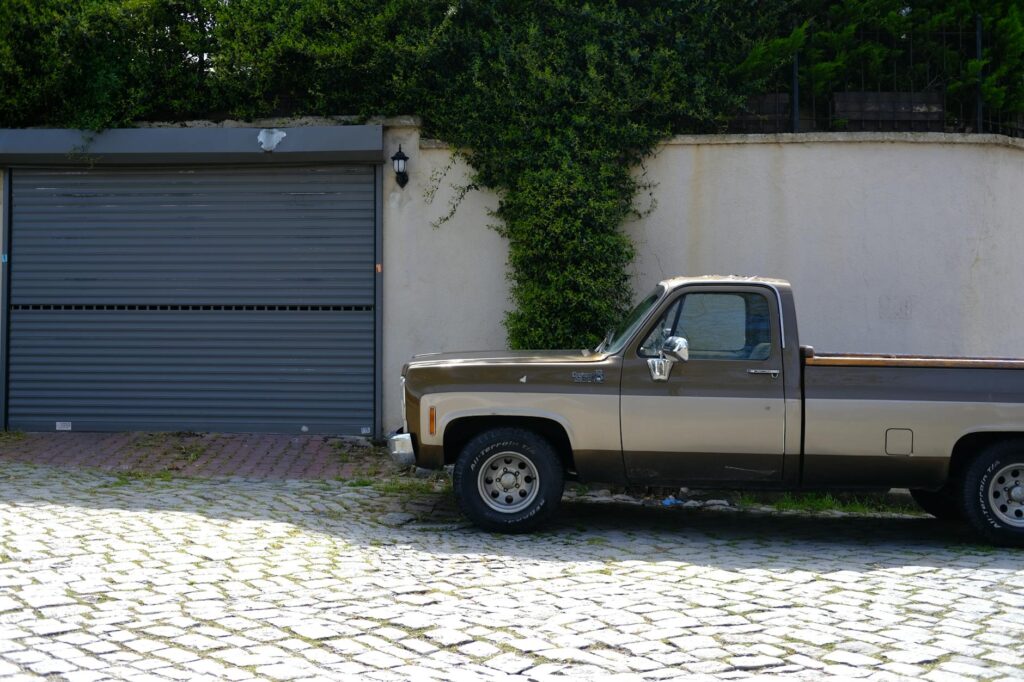
Best Garage Door Sizes for Extended Cab Trucks
Finding the right garage door size for an extended cab truck can feel like a puzzle, especially when you’re balancing space, budget, and local building codes. This guide walks you through the exact measurements you need, the decision criteria to use, and the common pitfalls to avoid, so you can select a door that fits your truck and your home.*
@@DASH_LI_START@@–
Why the Right Garage Door Size Matters
An ill‑fitting door can lead to:
- Scratches or dents* on the truck’s cab and tailgate.
- Reduced clearance* for loading ramps or accessories.
- Increased wear* on door hardware due to frequent adjustments.
- Potential code violations* if the opening does not meet local fire‑safety or accessibility standards.
Getting the dimensions right the first time saves time, money, and frustration.@@DASH_LI_END@@ @@DASH_LI_START@@–
Key Measurements to Take
1. Overall Opening Width* – Measure the clear opening from inside edge to inside edge of the framing. For most extended cab pickups, a 12‑ft opening is common, but many owners prefer 14‑ft to accommodate larger side‑step accessories.
> Tip: Use a laser distance measurer for the most accurate results, and double‑check each dimension.@@DASH_LI_END@@ @@DASH_LI_START@@–
Decision Criteria Checklist
| Criterion | What to Look For | Why It Matters |
|---|---|---|
| <strong>Opening Width</strong> | 12‑ft, 14‑ft, or custom | Determines whether the truck can drive straight in without scraping the side steps. |
| <strong>Opening Height</strong> | 7‑ft (standard) or 8‑ft (extra clearance) | Affects headroom for taller cabs and roof‑mounted gear. |
| <strong>Door Type</strong> | Sectional, roll‑up, or tilt‑over | Sectional doors provide the most clearance; roll‑up doors need less headroom. |
| <strong>Insulation R‑Value</strong> | R‑13 to R‑19 for garages in colder climates | Helps maintain garage temperature and protects the truck’s paint. |
| <strong>Material</strong> | Steel, aluminum, or wood‑look composite | Steel is durable; aluminum resists rust; composites mimic wood with less maintenance. |
| <strong>Local Building Codes</strong> | Verify minimum egress width and fire‑rating | Non‑compliance can lead to fines or insurance issues. |
| <strong>Budget</strong> | $1,200‑$3,500 for standard sectional doors | Higher‑end materials and custom sizes increase cost. |
—
Step‑by‑Step Buying Process
2. Measure Your Opening* – Follow the measurement guide above and record each dimension.
—
Common Mistakes to Avoid
- Assuming Standard Sizes Fit All Trucks* – Extended cab pickups often have wider side steps; a 12‑ft door may be too tight.
- Ignoring Headroom Requirements* – A low‑headroom roll‑up door can solve the problem, but you must verify the track system fits.
- Skipping the Backroom Check* – Insufficient backroom can cause the door to hit the driveway or storage shelves.
- Overlooking Insulation* – In colder regions, an uninsulated door can increase garage heating costs and cause condensation on the truck.
- Not Accounting for Future Add‑Ons* – If you plan to add a workbench or shelving, add at least 2‑ft of backroom now.
—
When a Custom Door Might Be the Better Choice
- Non‑Standard Opening Width* – If your garage opening is 13‑ft or 15‑ft, a custom sectional door ensures a perfect fit.
- Unique Architectural Style* – Historic homes may require a wood‑look door that matches the façade.
- High‑Performance Insulation Needs* – For garages that double as workshops, a high‑R value door can be worth the extra cost.
Custom doors typically add 15‑30 % to the base price and require longer lead times, but they eliminate the need for costly modifications later.@@DASH_LI_END@@ @@DASH_LI_START@@–
Conclusion
Choosing the right garage door size for an extended cab truck is a blend of accurate measurement, understanding the truck’s dimensions, and aligning those numbers with the door type, material, and local code requirements. By following the checklist and avoiding common pitfalls, you’ll end up with a door that protects your vehicle, fits your garage, and adds value to your home.@@DASH_LI_END@@ @@DASH_LI_START@@–
Frequently Asked Questions
What is the minimum garage door width for a typical extended cab pickup?*@@DASH_LI_END@@
A: Most manufacturers recommend at least a 12‑ft clear opening, but 14‑ft provides extra side‑step clearance and easier maneuvering.
Can I install a roll‑up garage door in a low‑headroom garage?*
A: Yes, roll‑up doors require as little as 6‑in of headroom, making them ideal for garages with low ceilings.
Do I need a fire‑rated garage door for my truck garage?*
A: Many local codes require a minimum egress width of 32‑in and a fire‑rated door if the garage is attached to the house. Check with your municipality.
How much does insulation add to the cost of a garage door?*
A: Insulated sectional doors typically cost $300‑$600 more than non‑insulated models, depending on the R‑value and material.
Is a custom garage door worth the extra expense?*
A: If your opening size or architectural style is non‑standard, a custom door can save you from costly retrofits and ensure a seamless fit.
@@DASH_LI_START@@–
Editorial Note
This article is intended as practical planning guidance. Always verify product specifications, local codes, and site conditions before making final decisions.@@DASH_LI_END@@ @@DASH_LI_START@@–
Author Bio
Written by the editorial team, with a focus on practical planning, clear homeowner guidance, and SEO-friendly educational content.@@DASH_LI_END@@