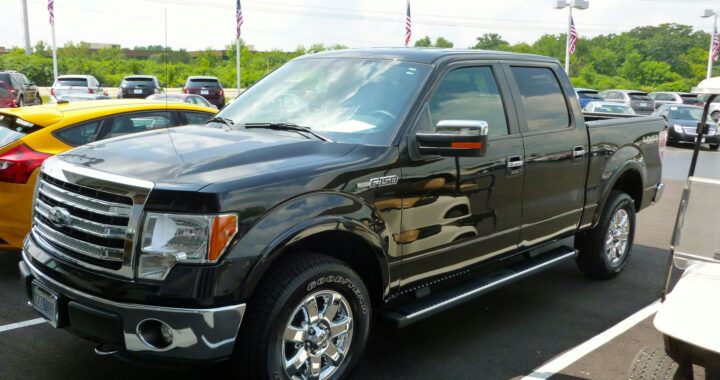
Top 5 Full‑Size SUVs and Their Garage Space Requirements
If you’re planning a new garage, a remodel, or simply wondering whether your current space can accommodate a larger vehicle, you’ve come to the right place. This guide walks you through the five most popular full‑size SUVs on the U.S. market, their exact garage space requirements, and practical steps to measure and plan your garage.*
@@DASH_LI_START@@–
Why Full‑Size SUV Garage Space Requirements Matter
Full‑size SUVs are prized for passenger room, cargo capacity, and towing power, but they also demand more width, height, and length than midsize crossovers. Under‑estimating these dimensions can lead to:
- Scratches on walls or garage doors.
- Inadequate clearance for opening doors.
- Difficulty maneuvering in tight spaces.
- Potential code violations if the garage does not meet local clearance standards.
Understanding the full size suv garage space requirements before you buy or build saves time, money, and frustration.@@DASH_LI_END@@ @@DASH_LI_START@@–
The Top 5 Full‑Size SUVs (2024 Model Year)
Below is a concise table that lists each vehicle’s exterior dimensions and the minimum garage space you should allocate. All measurements are in inches; convert to feet for quick reference.Model Length Width (excluding mirrors) Height Recommended Garage Space (L × W × H) Chevrolet Tahoe 210.7 81.0 75.8 225 × 90 × 80 Ford Expedition 221.9 84.9 77.0 240 × 95 × 82 GMC Yukon XL 221.9 81.0 75.8 240 × 90 × 80 Toyota Sequoia 205.1 79.9 77.0 220 × 88 × 82 Nissan Armada 210.2 79.9 77.0 225 × 88 × 82
How to read the table*
- Length*: Measured from the front bumper to the rear bumper.
- Width*: Measured at the widest point of the body, not including side mirrors.
- Height*: From the ground to the highest roof point.
- Recommended Garage Space*: Adds a 5‑10% buffer on each side to allow for door opening, tire clearance, and future accessories (e.g., bike racks).
—
Step‑By‑Step Checklist for Measuring Your Garage
1. Clear the floor* – Remove any stored items, tools, or vehicles.
Quick Reference Checklist (HTML version)
- Clear the floor of all obstacles.
- Measure interior width at the narrowest point.
- Measure interior length from door to back wall.
- Measure interior height from floor to lowest ceiling element.
- Add 12″ to width and length, 6″ to height for clearance.
- Compare against vehicle requirements.
- Document with photos and notes.
Common Mistakes to Avoid
| Mistake | Why It’s a Problem | How to Fix It |
|---|---|---|
| Using only the vehicle’s listed dimensions | Manufacturers quote body size, not the space you need for doors and mirrors. | Add the recommended buffer (see table). |
| Ignoring side‑mirror swing | Mirrors can extend 2‑3 inches beyond the body width. | Measure with mirrors folded in, then add extra clearance. |
| Forgetting ceiling height for roof racks | Roof accessories raise the overall height. | Add 2‑4 inches if you plan to use a roof rack. |
| Assuming a standard 8‑ft garage door is always sufficient | Some full‑size SUVs need a taller opening for the roof line. | Verify door height; consider a 9‑ft door for taller models. |
—
When a Full‑Size SUV Might Not Be the Best Fit
If your garage falls short of the recommended dimensions, consider these alternatives before committing to a remodel:
- Mid‑size SUVs* (e.g., Honda Pilot, Kia Sorento) – Typically 75‑78 inches wide and 70‑73 inches tall.
- Crossover wagons* (e.g., Subaru Outback) – Offer similar cargo capacity with a lower roof profile.
- Two‑car garage conversion* – If you have a single‑car space, a well‑planned conversion can add the needed width.
- External carport* – A sturdy, open‑air structure can house a full‑size SUV without the height constraints of a traditional garage.
—
Conclusion: Planning with Full Size SUV Garage Space Requirements in Mind
Choosing a full‑size SUV is as much about lifestyle as it is about space. By consulting the full size suv garage space requirements table, following the measurement checklist, and avoiding common pitfalls, you can ensure that your garage comfortably accommodates your vehicle now and in the future. If your current garage is marginal, weigh the cost of a modest expansion against the long‑term benefits of protecting your investment.@@DASH_LI_END@@ @@DASH_LI_START@@–
Frequently Asked Questions
1. Do I need extra width for opening the rear hatch?*@@DASH_LI_END@@
Yes. The rear hatch swings outward and can require an additional 6‑8 inches of clearance, especially on models with a lift‑gate that opens wide.
2. How much extra height should I allow for a roof rack?*
Add roughly 2‑4 inches to the vehicle’s listed height. If you plan to carry large cargo, measure the rack’s highest point when loaded.
3. Can I store a full‑size SUV in a standard 2‑car garage?*
Only if the garage’s interior dimensions exceed the recommended space for the specific model. Many two‑car garages are 20 × 20 ft, which may be tight for the longest SUVs like the Ford Expedition.
4. Are there building codes that dictate garage clearance?*
Local building codes often require a minimum of 2 feet of clearance on each side of a vehicle for fire safety and egress. Check your city’s residential garage standards.
5. What’s the best way to measure side‑mirror clearance?*
Fold the mirrors in, measure the vehicle’s width, then add 12‑14 inches total (6‑7 inches each side) to account for mirror swing and door opening.
Editorial Note:* This article is intended as practical planning guidance. Always verify product specifications, local codes, and site conditions before making final decisions.
Author Bio:* Written by the editorial team, with a focus on practical planning, clear homeowner guidance, and SEO‑friendly educational content.