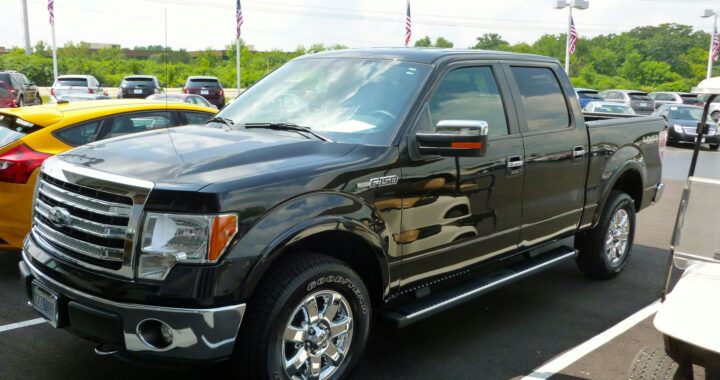
Cost Breakdown: Building a Garage That Fits a Full‑Size SUV
Primary keyword:* cost to build garage for full size suv
@@DASH_LI_START@@–
Introduction
If you own a full‑size SUV, you know that standard two‑car garages often feel cramped. Planning a garage that comfortably accommodates a larger vehicle—and maybe some storage—requires a clear picture of the cost to build garage for full size suv. This guide walks you through the major cost drivers, practical decision criteria, a step‑by‑step checklist, and common mistakes to avoid. By the end, you’ll have a realistic budget and a roadmap for moving from concept to finished structure.@@DASH_LI_END@@ @@DASH_LI_START@@–
Decision Criteria: What Determines Your Budget?
| Factor | How It Impacts Cost |
|---|---|
| <strong>Size</strong> | A garage that fits a full‑size SUV typically measures <strong>12 ft × 22 ft</strong> (or larger). Every additional foot adds roughly $30–$50 per square foot for materials and labor. |
| <strong>Foundation Type</strong> | Concrete slab is the most common and cost‑effective. A pier or crawl‑space foundation can increase material and excavation costs. |
| <strong>Materials</strong> | Wood framing with siding, metal panels, or insulated concrete forms (ICFs) each have distinct price points and durability profiles. |
| <strong>Roofing</strong> | Asphalt shingles are budget‑friendly; metal roofing offers longevity but higher upfront cost. |
| <strong>Doors & Openers</strong> | A heavy‑duty door (16 ft × 7 ft) with a strong opener is essential for an SUV. Prices vary widely based on insulation and automation. |
| <strong>Permits & Inspections</strong> | Local building departments charge plan‑check fees and may require impact‑resistant windows or fire‑rated walls. |
| Finishes & Utilities | Electrical lighting, workbench outlets, and optional insulation add to the total. |
Quick Cost Snapshot (2024 US averages)
- Base construction (materials + labor):* $30–$55 per sq ft
- Concrete slab (4‑in. thick):* $5–$8 per sq ft
- Garage door (insulated, 16 × 7 ft):* $1,200–$2,500
- Permits & fees:* $300–$1,200 depending on jurisdiction
- Optional insulation:* $1.00–$1.50 per sq ft of wall area
These ranges are meant as a planning reference; actual costs will vary based on location, contractor rates, and material choices.@@DASH_LI_END@@ @@DASH_LI_START@@–
Step‑by‑Step Checklist for Building Your SUV Garage
1. Measure Your Vehicle and Define Clearances*
- Length: 190–210 in.
- Width (including mirrors): 80–85 in.
- Add at least 2 ft of clearance on each side and 3 ft of headroom.
2. Select a Site and Verify Zoning*
- Confirm setbacks, height limits, and driveway access.
- Obtain a site plan from your local planning office.
3. Create a Rough Sketch or Use a Design Tool*
- Include dimensions, door placement, and any windows.
- Sketch out utility runs (lights, outlets).
4. Get Building Permits*
- Submit plans, pay fees, and schedule inspections.
5. Choose a Foundation*
- Most homeowners opt for a poured‑concrete slab with a vapor barrier.
6. Select Framing and Exterior Materials*
- Wood studs (2×6) for better insulation.
- Siding options: vinyl, fiber‑cement, or metal.
7. Pick a Garage Door*
- Minimum 16 ft wide, 7 ft tall, insulated for climate control.
- Choose a reputable opener with a safety sensor.
8. Plan Electrical and Lighting*
- LED overhead lights, GFCI‑protected outlets, and optional motion sensors.
9. Add Insulation (Optional but Recommended)*
- R‑13 for walls, R‑19 for the ceiling if you plan to use the garage year‑round.
10. Schedule Construction*
- Hire a licensed contractor or obtain multiple bids.
- Set a timeline with milestones (foundation, framing, roofing, finish).
11. Final Inspection and Certificate of Occupancy*
- Ensure all work meets local codes before using the space.
—
Common Mistakes to Avoid
- Undersizing the Door Opening* – A door that’s too narrow forces you to swing the SUV’s wheels, risking damage.
- Skipping Soil Preparation* – Poor compaction leads to slab cracking; always have a professional test soil bearing capacity.
- Ignoring Local Climate* – In colder regions, lack of wall insulation can turn the garage into a freezer, increasing wear on the vehicle.
- Overlooking Permit Requirements* – Building without permits can result in fines and costly retrofits.
- Choosing the Cheapest Materials Without Considering Longevity* – Low‑grade siding may need replacement within a few years, raising the total cost of ownership.
—
When to Consider Alternatives
- Detached vs. Attached* – If your lot is tight, an attached garage may share a wall, reducing foundation costs.
- Prefabricated Garage Kits* – These can cut labor costs by 20–30 % but may limit customization.
- Carport with a Covered Section* – For occasional SUV use, a carport with a reinforced side panel can be a budget‑friendly compromise.
—
Conclusion
Understanding the cost to build garage for full size suv starts with clear dimensions, local code compliance, and realistic material choices. By following the checklist, budgeting for each cost driver, and avoiding common pitfalls, you can create a functional, durable space that protects your vehicle and adds value to your home.@@DASH_LI_END@@ @@DASH_LI_START@@–
FAQ
What size garage is recommended for a full‑size SUV?*
A garage that is at least 12 ft wide and 22 ft deep provides comfortable clearance for most full‑size SUVs, with extra room for storage.
Do I need a permit to build a garage?*
Most U.S. jurisdictions require a building permit for detached structures over a certain size. Check with your city or county planning department.
Is insulated garage door worth the extra cost?*
Yes, especially in climates with extreme temperatures. Insulation reduces heat loss, protects the vehicle’s paint, and can lower heating costs if the garage is heated.
How much does a concrete slab add to the overall budget?*
Expect $5–$8 per square foot for a 4‑inch‑thick slab, including excavation, forms, and finishing.
Can I install the garage myself to save money?*
DIY is possible for experienced homeowners, but structural work, electrical, and permitting usually require licensed professionals to meet code.@@DASH_LI_END@@ @@DASH_LI_START@@–
Editorial Note
This article is intended as practical planning guidance. Always verify product specifications, local codes, and site conditions before making final decisions.@@DASH_LI_END@@ @@DASH_LI_START@@–
Author Bio
Written by the editorial team, with a focus on practical planning, clear homeowner guidance, and SEO-friendly educational content.@@DASH_LI_END@@