
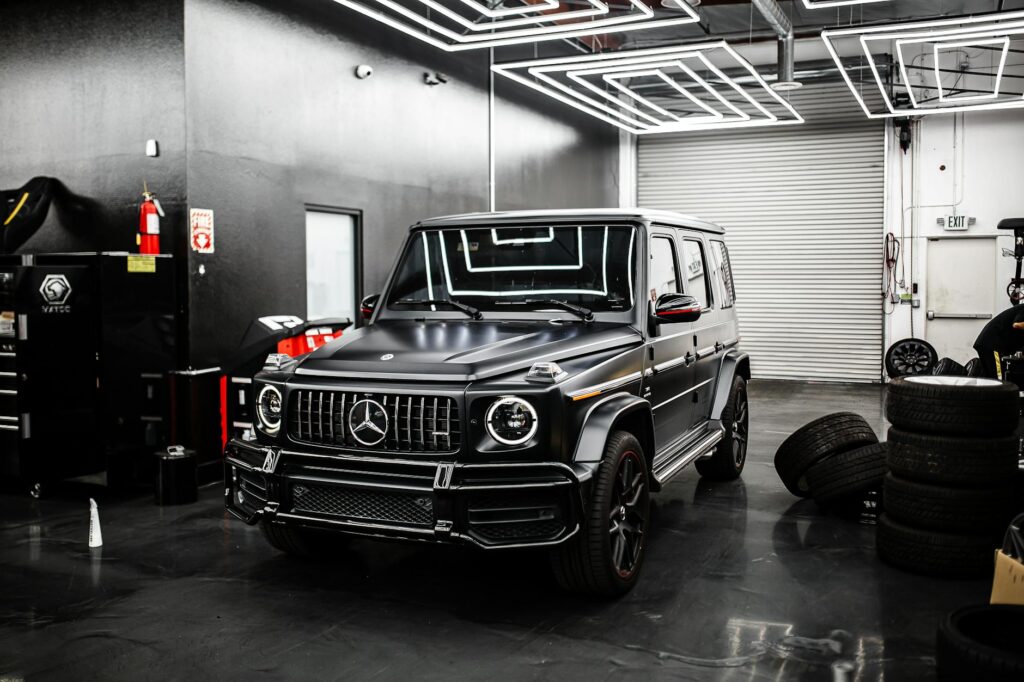
Best Garage Floor Coatings for Large SUVs: What You Need to Know
When you own a large SUV, the garage floor takes a beating from heavy wheels, oil drips, and occasional scratches. Selecting the right garage floor coating for large SUV owners is more than a cosmetic choice; it protects the concrete, extends the life of the space, and can even improve safety. This guide walks you through the most reliable coating types, practical decision criteria, a step‑by‑step checklist, and common pitfalls to avoid.
Choosing the Right garage floor coating for large SUV
1. Load‑bearing capacity* – Large SUVs can weigh 5,500 lb or more. Look for coatings that specify high compressive strength (typically 5,000 psi or higher).
Practical Buying Checklist
- Surface preparation*: Verify that the concrete is clean, dry, and free of oil stains. A moisture test (plastic sheet method) should show less than 5 % moisture content.
- Product certifications*: Look for ASTM or ISO standards that confirm performance claims.
- Warranty terms*: A reputable coating will offer at least a 5‑year warranty against peeling or blistering.
- Application temperature range*: Most epoxy needs 55‑85 °F; polyurea can cure in colder conditions.
- Cost per square foot*: Include primer, topcoat, and any decorative flakes in your budget calculations.
Step‑by‑Step Application Guide (DIY Friendly)
2. Inspect and repair the concrete. Fill cracks with a concrete patch and let it cure fully.
Common Mistakes to Avoid
- Skipping the moisture test* – Trapped moisture leads to bubbling and delamination.
- Using the wrong temperature range* – Coatings applied too cold cure improperly, resulting in a soft surface.
- Over‑mixing epoxy* – Excessive agitation introduces air bubbles that become visible after curing.
- Neglecting surface repair* – Small cracks expand under the weight of a large SUV, causing the coating to crack.
- Skipping the topcoat* – A single‑layer epoxy may look fine initially but will wear faster under heavy traffic.
When to Consider Alternative Solutions
If your garage experiences extreme temperature swings, frequent chemical spills, or you need a rapid turnaround, a polyurea coating may be preferable to traditional epoxy. Polyurea cures in under an hour and offers superior UV stability, though it typically costs more and requires professional equipment. For homeowners who prefer a low‑maintenance look without the DIY labor, pre‑finished interlocking floor tiles provide a modular alternative, though they may not match the seamless appearance of a poured coating.
Frequently Asked Questions
Q1: How long does a garage floor coating last under a large SUV?*
A: With proper surface preparation and a quality product, most epoxy systems last 7‑10 years, while polyurea can exceed 15 years before noticeable wear.
Q2: Can I apply a coating over an existing painted floor?*
A: Only if the existing paint is fully removed or sanded to expose bare concrete. Any glossy surface will prevent adhesion.
Q3: Is a slip‑resistant additive necessary?*
A: For large SUVs, a slip‑resistant texture is recommended, especially in humid climates. Many manufacturers include anti‑slip beads in the topcoat.
Q4: Do I need a professional to apply polyurea?*
A: While DIY polyurea kits exist, the rapid cure time and need for precise mixing make professional application the safest route for most homeowners.
Q5: How do I clean a coated garage floor?*
A: Sweep debris regularly and mop with a pH‑neutral cleaner. Avoid harsh solvents that can degrade the coating over time.
Conclusion
Choosing the right garage floor coating for large SUV owners involves balancing load capacity, chemical resistance, and ease of maintenance. By following the checklist, respecting preparation steps, and avoiding common pitfalls, you can create a durable, attractive surface that protects your concrete and supports the weight of your biggest vehicle for years to come.
Editorial note*: This article is intended as practical planning guidance. Always verify product specifications, local codes, and site conditions before making final decisions.
Author bio*: Written by the editorial team, with a focus on practical planning, clear homeowner guidance, and SEO‑friendly educational content.


