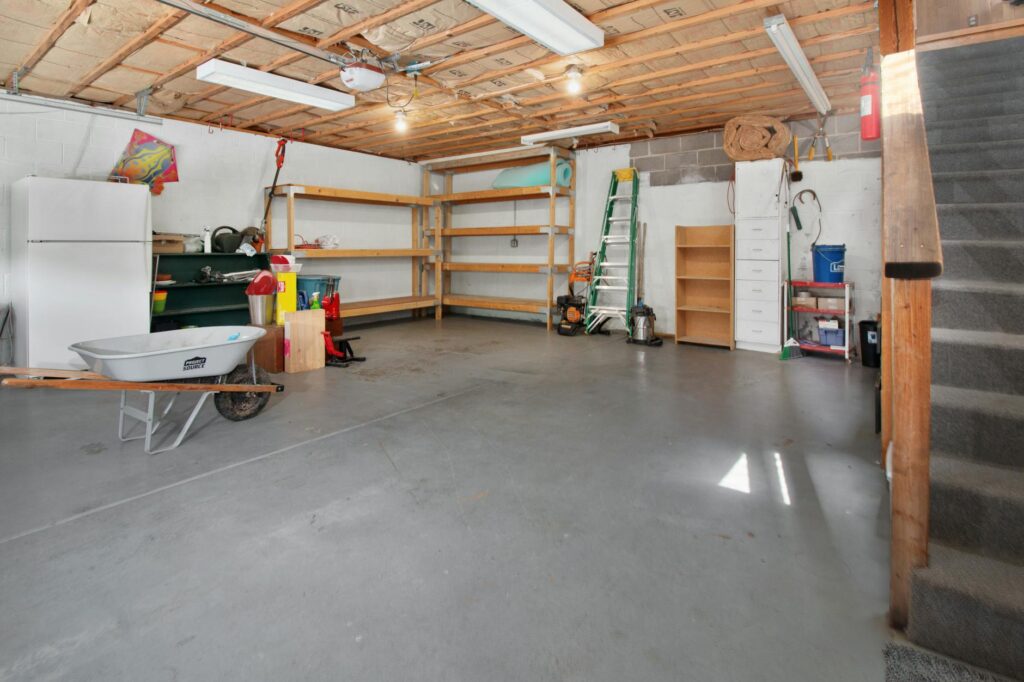
DIY Guide: How to Expand Your Garage Size for More Width and Depth
Primary keyword: expand garage size DIY*
Expanding a garage can add valuable storage, workspace, or room for an extra vehicle without the cost of a brand‑new structure. This guide walks you through the practical steps, decision criteria, and pitfalls to watch for when you decide to expand garage size DIY.
@@DASH_LI_START@@–
1. Decide What You Need – Width, Depth, or Both?
Before you swing a hammer, answer these questions:
- How many cars or tools do you need to accommodate?* A single‑car garage typically measures 12‑16 ft wide; a two‑car garage runs 20‑24 ft.
- Is the existing foundation long enough for a deeper build?* Depth extensions often require extending the slab and footings.
- What’s the layout of your lot?* Setbacks, easements, and neighboring structures dictate how far you can push the walls.
Create a simple sketch with measurements. Use a scale (e.g., 1 inch = 4 ft) to visualize the new footprint.@@DASH_LI_END@@ @@DASH_LI_START@@–
2. Check Local Building Codes & Permits
Most U.S. municipalities require a building permit for any structural change. Contact your city or county building department and ask for:
- Zoning setbacks and height limits.
- Required setbacks from property lines.
- Structural design criteria for footings and walls.
- Inspections schedule (foundation, framing, electrical, final).
Skipping permits can lead to fines, forced removal, or resale complications.@@DASH_LI_END@@ @@DASH_LI_START@@–
3. Budgeting and Material Choices
| Item | Typical Cost Range (USD) | Notes |
|---|---|---|
| Permit fees | $100‑$500 | Varies by jurisdiction |
| Concrete (footings & slab) | $5‑$8 per sq ft | Include reinforcement and expansion joints |
| Framing lumber (2×6, 2×8) | $2‑$4 per linear ft | Pressure‑treated for footings |
| Siding/Exterior finish | $3‑$7 per sq ft | Match existing material |
| Labor (if hiring) | $30‑$60 per hour | DIY can reduce this significantly |
Add a 10‑15 % contingency for unexpected site conditions.@@DASH_LI_END@@ @@DASH_LI_START@@–
4. Step‑by‑Step Checklist to Expand Your Garage
4.1 Planning & Design
1. Measure the existing garage and plot the proposed expansion.
4.2 Site Preparation
2. Clear the work area* – remove vehicles, tools, and any stored items.
4.3 Foundations & Concrete
3. Place rebar or wire mesh as required by code.
4.4 Framing the New Walls
4. Set pressure‑treated sill plates on the cured footings and anchor with concrete nails or anchor bolts.
4.5 Roof Extension (if widening)
5. Extend roof rafters or trusses to cover the new width.
4.6 Exterior Finishing
6. Apply house wrap, then install siding that matches the original.
4.7 Interior Work
7. Extend the concrete slab or install a new floor over the existing one.
4.8 Final Inspection & Clean‑up
8. Schedule required inspections at each stage.
—
5. Common Mistakes to Avoid
- Ignoring Soil Conditions* – Clay soils may need deeper footings or a compacted gravel base.
- Mismatching Materials* – Using a different siding profile can look cheap and may affect weatherproofing.
- Skipping Expansion Joints* – Concrete expands; joints prevent cracking.
- Under‑estimating Load* – New walls must support roof loads; consult a structural engineer if unsure.
- Rushing Permits* – Starting construction before a permit is approved can halt the project.
—
6. When a Professional Might Be Better
If any of the following apply, consider hiring a licensed contractor:
- Complex roof extensions or load‑bearing wall changes.
- Unstable soil requiring engineered footings.
- Limited DIY experience with concrete work.
- Time constraints or safety concerns.
A professional can also help with design approvals and ensure the work passes inspection.@@DASH_LI_END@@ @@DASH_LI_START@@–
7. Frequently Asked Questions
How much does it cost to widen a garage by 4 ft?
Costs vary widely, but a typical DIY project can range from $5,000 to $12,000, depending on materials, permit fees, and whether you hire labor for any portion.
Do I need a structural engineer for a garage expansion?
If the expansion changes load‑bearing walls or roof structure, a licensed engineer’s sign‑off is often required by code.
Can I use the existing garage door on the new wall?
Yes, if the door opening dimensions remain the same. Otherwise, you’ll need a new door and possibly a new opener.
How long does a garage widening take?
A well‑planned DIY project usually takes 2‑4 weeks, assuming good weather and no major setbacks.
What are the best insulation options for a garage extension?
Rigid foam board (R‑13 to R‑19) under the slab and batt insulation in the walls are cost‑effective and easy to install.@@DASH_LI_END@@ @@DASH_LI_START@@–
8. Conclusion
Expanding garage size DIY can be a rewarding way to increase your home’s functionality and resale value. By following a clear plan, securing permits, and respecting structural basics, you can safely add width, depth, or both to your garage. Remember, the key to success is preparation, realistic budgeting, and knowing when to call in a professional.@@DASH_LI_END@@
Editorial note*: This article is intended as practical planning guidance. Always verify product specifications, local codes, and site conditions before making final decisions.
Author bio*: Written by the editorial team, with a focus on practical planning, clear homeowner guidance, and SEO‑friendly educational content.