How Garage Width Impacts Vehicle Maneuverability: A Practical Guide
Choosing the right garage width is more than a matter of aesthetics; it directly influences garage width vehicle maneuverability. Homeowners often underestimate the space needed to comfortably park, open doors, and move around a vehicle. This guide walks you through the key factors, practical checklists, and common pitfalls so you can design a garage that works for your daily routine.
Understanding Garage Width and Vehicle Maneuverability
Garage width vehicle maneuverability hinges on three core elements:
1. Vehicle dimensions* – length, width, and turning radius.
When any of these variables change, the required garage width shifts. A compact car may need as little as 8 ft, while a full‑size SUV or pickup often requires 10 ft or more to avoid scrapes and frustration.
Recommended Minimum Widths
| Vehicle Type | Minimum Width (ft) |
|---|---|
| Compact car | 8.0 |
| Mid‑size sedan | 9.0 |
| Full‑size SUV / Crossover | 10.0 |
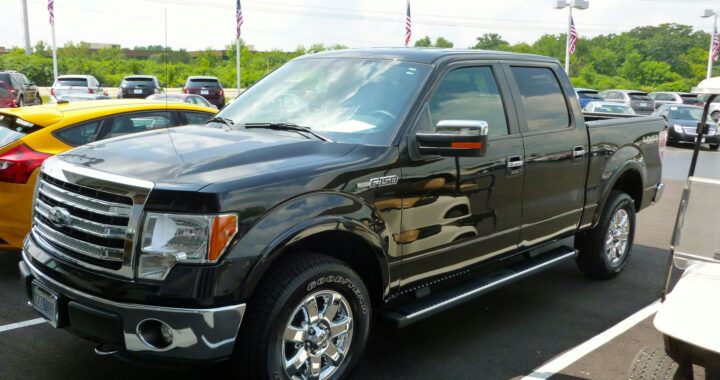
| Pickup truck (crew cab) | 10.5 |
| Large truck / Van | 12.0 |
These numbers assume a standard 2‑ft side clearance on each side of the vehicle. Adding storage shelves, workbenches, or a second‑car lane will increase the needed width.
Decision Criteria Checklist
Use this checklist when evaluating a garage floor plan or when measuring an existing space:
- Vehicle footprint* – Measure the widest point of your vehicle, including mirrors.
- Door swing* – Check the clearance needed for the driver’s side door to open fully.
- Side clearance* – Aim for at least 2 ft on each side for safe entry/exit.
- Future vehicles* – Consider whether you may upgrade to a larger vehicle later.
- Additional storage* – Account for wall‑mounted racks, tool cabinets, or a workbench.
- Local building codes* – Verify any minimum width requirements for your municipality.
Step‑by‑Step Planning Guide
2. Measure your vehicle* – Include mirrors and any aftermarket accessories.
Common Mistakes to Avoid
- Assuming “standard” size fits all* – A 9‑ft garage may be fine for a compact car but cramped for a SUV.
- Neglecting door swing* – Forgetting the space needed for the driver’s side door is a frequent source of dents.
- Over‑loading the side walls* – Heavy wall‑mounted storage can reduce usable width and create safety hazards.
- Ignoring future needs* – Families often acquire larger vehicles later; plan for a modest increase in width.
- Skipping the mock‑up* – Without a physical test, you may discover clearance issues only after construction.
When to Consider Alternatives
If widening the garage is not feasible, explore these options:
- Dual‑door swing* – Installing a sliding or pocket door reduces side clearance requirements.
- Car lift* – A hydraulic lift can store a second vehicle vertically, freeing floor space.
- Compact storage solutions* – Wall‑mounted fold‑down workbenches or overhead racks keep the floor clear.
- External parking* – For occasional larger vehicles, a driveway or carport may be a practical supplement.
Frequently Asked Questions
Q: How much extra width should I add for a workbench?*
A: A typical workbench is 2 ft deep. Add at least 2 ft of side clearance on the side where the bench will sit, so the total width increases by roughly 4 ft.
Q: Does the type of garage door affect maneuverability?*
A: Yes. Overhead sectional doors require clear headroom, while sliding doors eliminate the swing space needed for a traditional hinged door, allowing you to use a narrower garage.
Q: What if my lot limits the garage to 8 ft wide?*
A: Prioritize a compact vehicle or consider a single‑car layout with vertical storage. You may also explore a tandem garage (one car behind the other) if length permits.
Q: Are there building code minimums for garage width?*
A: Many U.S. jurisdictions set a minimum of 9 ft for a single‑car garage, but local codes vary. Always check with your city or county planning department.
Q: How does a driveway slope impact garage width decisions?*
A: A steep slope can reduce usable width at the garage entrance. Ensure the transition area provides enough flat space for the vehicle to align before entering.
Conclusion
Understanding how garage width influences vehicle maneuverability helps you avoid costly redesigns and daily frustrations. By measuring your vehicle, accounting for door swing, and planning for storage, you can determine the optimal garage width for your needs. Remember, the goal is a safe, comfortable space that accommodates your current and future vehicles without compromising functionality.
Editorial note:* This article is intended as practical planning guidance. Always verify product specifications, local codes, and site conditions before making final decisions.
Author bio:* Written by the editorial team, with a focus on practical planning, clear homeowner guidance, and SEO-friendly educational content.