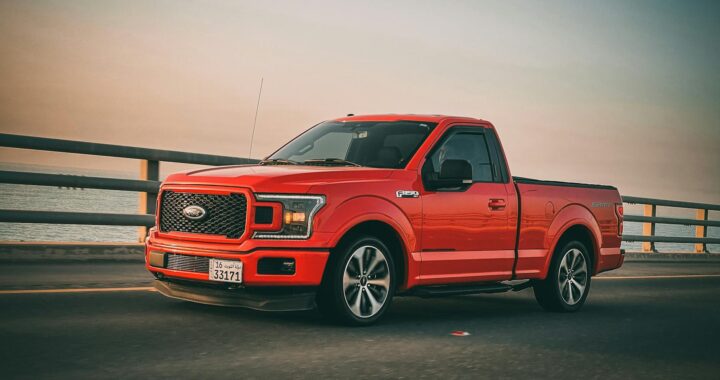
How to Measure Garage Clearance for Lifted Trucks
If you’ve recently lifted your truck, the first question that pops up is whether your garage door will still open and close safely. Measuring garage clearance for lifted trucks isn’t just a quick glance—it’s a precise process that protects your vehicle, your garage, and your peace of mind. This guide walks you through the exact steps, tools, and considerations you need to get a reliable measurement every time.
Why Accurate Clearance Matters
A lifted truck often adds 2‑6 inches (or more) to overall height. Without proper clearance:
- The door may strike the roof, causing damage to the door panels or the truck’s roof.
- The opener’s travel limits can be exceeded, leading to premature wear or safety hazards.
- You could violate local building codes that specify minimum clearances for garage doors.
Taking the time to measure correctly avoids costly repairs and ensures your garage remains functional.
Step‑by‑Step: Measure Garage Clearance Lifted Trucks
Below is a practical checklist you can follow with a tape measure, a level, and a helper.
1. Gather Your Tools*
- Steel tape measure (at least 10 ft)
- Straight edge or carpenter’s level
- Notepad or digital device for recording numbers
- A friend or family member to hold the tape
2. Clear the Area*
- Remove any stored items that could interfere with the door’s path.
- Ensure the garage floor is level; note any slopes that could affect the measurement.
3. Identify the Reference Points*
- Floor to Door Header:* Measure from the finished floor to the underside of the door header (the horizontal beam above the door).
- Floor to Door Track:* Measure from the floor to the top of the door track where the rollers run.
- Floor to Ceiling:* Measure the full height of the garage from floor to ceiling for context.
4. Measure the Truck Height*
- With the truck parked on a level surface, measure from the ground to the highest point of the vehicle (usually the roof or a roof rack). Record this number.
5. Calculate Required Clearance*
- Add a safety buffer of 2‑3 inches to the truck height. This accounts for suspension travel, tire compression, and any aftermarket accessories.
- Compare the buffered height to the measurements taken in step 3.
6. Check Door Travel Limits*
- Open the garage door fully and note the distance the door travels vertically.
- Verify that the door’s travel does not exceed the space left after accounting for the buffered truck height.
7. Document the Findings*
- Write down all measurements, calculations, and any observations (e.g., uneven floor, low ceiling beams).
- Take photos of the measurement points for future reference.
8. Validate with the Door Manufacturer (Optional)*
- If you’re close to the limit, contact the door’s manufacturer or a professional installer. Provide them with your measurements to confirm compatibility.
Quick Checklist
- [ ] Tape measure calibrated and in good condition
- [ ] Floor is clear and level
- [ ] All three reference points measured
- [ ] Truck height recorded with buffer
- [ ] Door travel limits verified
- [ ] Findings documented and photographed
Common Mistakes to Avoid
| Mistake | Why It’s a Problem | How to Prevent It |
|---|---|---|
| Measuring only the door header height | Overlooks the track and any protruding hardware | Measure both header and track heights |
| Ignoring the 2‑3 inch safety buffer | Leaves no room for suspension movement | Always add the buffer before comparing |
| Using a flexible cloth tape | Can sag and give inaccurate numbers | Use a steel tape or a rigid measuring stick |
| Forgetting to account for floor slope | Can reduce effective clearance on one side | Level the floor or take measurements at multiple points |
| Relying on visual estimates | Human perception is unreliable for small gaps | Use a tape and record exact numbers |
When to Consider Alternative Solutions
Even after careful measurement, you might find the clearance insufficient. Here are options to explore:
- Lower the Door Header:* A professional can lower the header beam, but this may involve structural modifications and permits.
- Install a Higher‑Profile Door:* Some manufacturers offer doors with a higher header clearance designed for lifted trucks.
- Raise the Garage Floor:* Adding a concrete slab can increase overall height, though it’s a major renovation.
- Use a Tilt‑Up or Side‑Opening Door:* These designs can provide more vertical space than a traditional overhead door.
- Adjust the Lift Kit:* If the clearance issue is marginal, a modest reduction in lift height may solve the problem without sacrificing performance.
Each alternative has cost, code, and practicality implications, so weigh them against your budget and long‑term plans.
FAQ
Q: How much extra clearance should I leave for a lifted truck?*
A: A 2‑3 inch buffer above the truck’s highest point is the industry‑standard safety margin. This accounts for suspension travel, tire compression, and minor roof accessories.
Q: Do I need to measure the garage door when it’s closed, open, or both?*
A: Measure the door’s header and track when the door is fully closed. Then verify the door’s travel distance when fully open to ensure it doesn’t exceed the available space.
Q: Can I rely on the garage door’s specifications sheet for clearance?*
A: Specifications give you the nominal opening height, but real‑world factors like floor unevenness and hardware protrusions can reduce that space. Always measure on‑site.
Q: What if my garage has a sloped floor?*
A: Take measurements at the highest point of the floor where the truck will sit. If the slope reduces clearance, consider leveling the floor or adjusting the truck’s stance.
Q: Is a professional measurement worth the cost?*
A: If you’re unsure about any step, a qualified installer can verify measurements and suggest code‑compliant solutions. The cost is often less than repairing a door or vehicle damage later.
Conclusion
Accurately measuring garage clearance for lifted trucks is a straightforward process when you follow a systematic checklist. By taking precise measurements, adding a modest safety buffer, and verifying door travel limits, you can confidently determine whether your garage will accommodate your lifted vehicle. If the numbers don’t add up, explore the alternative solutions outlined above or consult a professional. This careful planning protects your investment and keeps your garage functional for years to come.