Garage Door Clearance Requirements for Trucks
When you own a truck—whether it’s a full‑size pickup, a box truck, or a work van—making sure your garage door can accommodate it is a safety and convenience issue. The phrase garage door clearance truck captures the core of the problem: you need enough vertical and horizontal space for the vehicle to enter, exit, and sit comfortably without damaging the door or the vehicle.
Why Accurate Clearance Matters
- Prevent Damage* – Insufficient clearance can scrape the roof, mirrors, or even the door panels.
- Safety* – A door that bangs shut on a truck can cause injury or create a hazardous situation.
- Longevity* – Repeated contact stresses the door’s springs, tracks, and motor, leading to costly repairs.
Understanding the exact dimensions you need helps you avoid these pitfalls and choose the right garage door system.
How to Measure Your Garage Door Clearance for a Truck
Measuring correctly is the first step. Follow this simple checklist:
1. Measure the Truck Height* – Include any roof racks, antennas, or cargo boxes.
> Quick tip: Use a laser level or a sturdy tape measure and record each measurement twice to reduce error.
Typical Clearance Guidelines by Truck Type
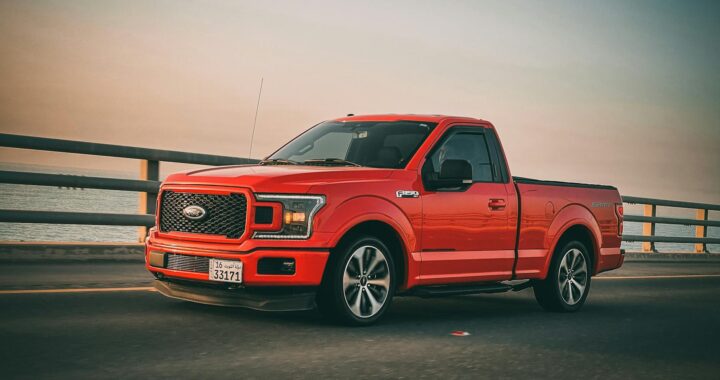
Below is a reference table that shows common truck dimensions and the recommended garage door clearances. These numbers are averages; always verify your own vehicle’s specs.Truck Type Vehicle Height (in) Vehicle Width (in) Recommended Door Height (in) Recommended Door Width (in) Compact Pickup (e.g., Toyota Tacoma) 71‑73 68‑71 78‑80 84‑86 Full‑Size Pickup (e.g., Ford F‑150) 77‑80 80‑84 86‑90 92‑96 Box Truck (12‑ft cargo) 96‑108 96‑108 112‑120 108‑116 Work Van (e.g., Chevrolet Express) 84‑92 78‑84 100‑108 90‑96
Garage Door Clearance Truck – Key Takeaway
The primary keyword appears naturally here: garage door clearance truck. Use the table as a starting point, then add your personal buffer.
Common Mistakes to Avoid
- Relying on Manufacturer Specs Alone* – Door manufacturers list maximum opening sizes, but real‑world factors like track alignment and ceiling height can reduce usable space.
- Ignoring Roof Accessories* – Ladder racks, winches, and even a simple GPS antenna add height.
- Forgetting Seasonal Changes* – Expansion joints and temperature‑related metal growth can shrink clearance by a fraction of an inch.
- Skipping Professional Inspection* – A qualified garage door technician can spot alignment issues that affect clearance.
When to Consider Alternatives
If your existing garage door cannot meet the required clearance, you have a few options:
- Replace the Door with a Higher Model* – Many manufacturers offer custom heights up to 12 feet.
- Install a Roll‑Up or Sectional Door with a Higher Opening* – These designs often provide more vertical space than a traditional swing door.
- Convert Part of the Garage to a Carport* – For occasional large trucks, a side carport can be a cost‑effective solution.
- Use an External Parking Pad* – If space permits, keep the truck outside and use the garage for storage only.
Each alternative has cost, permitting, and aesthetic implications, so weigh them against how often you need the larger clearance.
Checklist Before You Buy or Modify a Garage Door
- [ ] Verify the exact height and width of your truck with accessories.
- [ ] Add a 2‑3 inch safety buffer to both dimensions.
- [ ] Measure the current garage opening and note any obstructions (e.g., light fixtures, shelving).
- [ ] Review local building codes for minimum clearances and fire safety.
- [ ] Consult a garage door professional about track alignment and motor capacity.
- [ ] Get at least three quotes for new doors or modifications.
- [ ] Confirm warranty terms and service availability in your area.
Conclusion
Ensuring the right garage door clearance truck dimensions protects your vehicle, your door, and your peace of mind. By measuring accurately, using the practical checklist above, and avoiding common pitfalls, you can make an informed decision that fits your lifestyle and budget. When in doubt, bring in a professional to verify clearances and recommend the best door type for your needs.
@@DASH_LI_START@@–
FAQ
What is the minimum clearance I should leave above my truck?*@@DASH_LI_END@@
A good rule of thumb is to add at least 2‑3 inches to the measured height of the vehicle, including any roof accessories. This buffer accounts for variations in door travel and seasonal expansion.
Can I use a standard residential garage door for a full‑size pickup?*
Many standard doors are 7‑8 feet tall, which is often insufficient for full‑size pickups that sit around 78‑80 inches tall. You’ll likely need a door with a 9‑foot opening or higher.
Do I need a stronger opener for a larger door?*
Yes. Larger doors require more torque. Look for an opener rated for the door’s weight and height, and consider a belt‑drive system for smoother operation.
Are there any local codes that affect garage door height?*
Some municipalities have fire‑rating requirements or minimum headroom clearances. Check with your city or county building department before ordering a custom door.
How often should I inspect my garage door for clearance issues?*
Inspect the door and its tracks at least once a year, and after any major temperature swings or after installing new accessories on your truck.
Editorial note:* This article is intended as practical planning guidance. Always verify product specifications, local codes, and site conditions before making final decisions.
Author bio:* Written by the editorial team, with a focus on practical planning, clear homeowner guidance, and SEO‑friendly educational content.