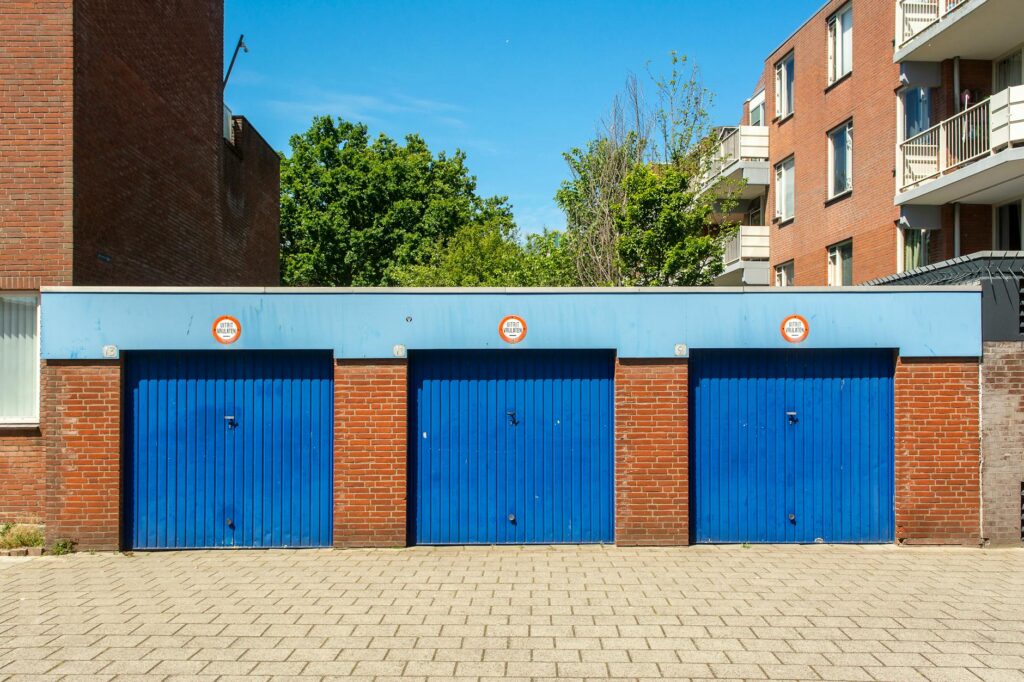
Cost Breakdown: Expanding Your Garage Depth – What to Expect
Expanding a garage’s depth can add valuable storage, workspace, or room for a larger vehicle. Homeowners often wonder about the garage depth expansion cost and how to budget for it without surprises. This guide walks you through the major expense categories, decision criteria, a practical checklist, common mistakes, and alternatives so you can plan confidently.
Decision Criteria: When Is a Depth Expansion Worth It?
- Purpose* – Are you adding a workshop, extra storage, or simply more room for a longer vehicle?
- Lot Space* – Verify that your property line and setbacks allow the extension.
- Foundation Type* – Existing slab vs. crawl space will affect excavation and footings.
- Budget Flexibility* – Determine a realistic ceiling before you get quotes.
- Local Codes* – Permits, zoning, and fire‑safety requirements can add fees.
Understanding the Garage Depth Expansion Cost
Below is a typical cost range for each major component in the United States. Prices vary by region, contractor experience, and site conditions.Item Typical Cost Range (USD) Design & Permits $300 – $1,200 Excavation & Site Prep $800 – $2,500 Foundation (footings & slab) $1,200 – $2,800 Framing (walls, roof extension) $1,500 – $3,500 Insulation & Drywall $600 – $1,400 Electrical & Lighting $400 – $1,000 Finishing (paint, trim) $300 – $900 Contingency (10‑15%) $500 – $1,500
Total estimated garage depth expansion cost:* $5,600 – $13,300.
Step‑by‑Step Checklist
1. Measure & Sketch* – Determine the exact depth you need and draw a simple plan.
Common Mistakes to Avoid
- Skipping the Contingency* – Unexpected soil conditions or code changes can add $1,000+.
- Under‑estimating Permit Time* – Delays often cost more in labor than the permit fee itself.
- Ignoring Drainage* – Poor grading can lead to water pooling against the new wall.
- Mismatching Materials* – Using different lumber grades can cause structural inconsistencies.
- DIY Electrical Work* – Unless you’re a licensed electrician, leave wiring to the pros to stay code‑compliant.
When to Consider Alternatives
- Garage Door Extension* – If you only need a few extra feet for a longer vehicle, a door extension may be cheaper.
- Detached Storage Shed* – A standalone shed can provide the same square footage without altering the garage footprint.
- Re‑configuring Interior Layout* – Adding shelving or a mezzanine can increase usable space without structural changes.
Conclusion
Understanding the garage depth expansion cost up front helps you set realistic expectations, avoid budget overruns, and keep the project on schedule. By following the decision criteria, using the checklist, and watching for common pitfalls, you can turn a simple extension into a functional, long‑lasting addition to your home.
@@DASH_LI_START@@–
Frequently Asked Questions
How long does a garage depth expansion typically take?*
Most projects finish in 2–4 weeks, depending on weather, permitting speed, and the complexity of the foundation work.
Do I need a structural engineer?*
If you are adding more than 4 feet or altering load‑bearing walls, a licensed engineer’s sign‑off is advisable.
Can I do the work myself to save money?*
DIY can reduce labor costs, but you must still obtain permits, meet code requirements, and possibly hire licensed trades for electrical or plumbing.
What are the typical permit fees?*
Fees vary by municipality but usually range from $150 to $600 for a residential addition of this size.
Will the expansion affect my home insurance?*
Notify your insurer after completion; most policies require an updated dwelling value to reflect the added square footage.@@DASH_LI_END@@