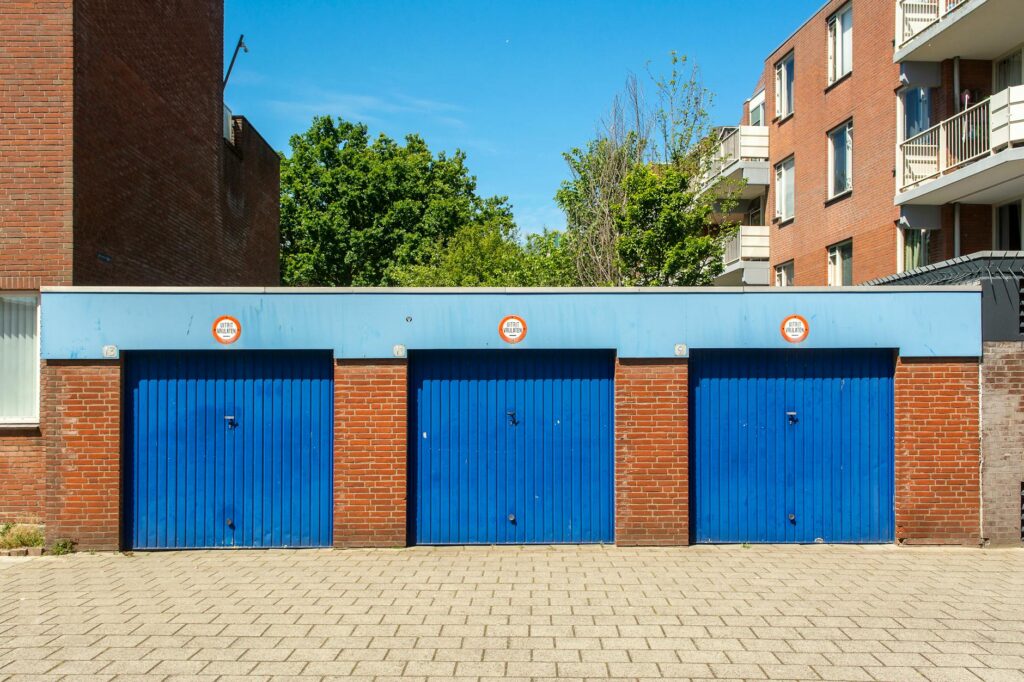
Regional Garage Dimension Differences US 2026: What Homeowners Need to Know
If you’re planning a new garage or a remodel, understanding regional garage dimension differences US 2026 can save you time, money, and future headaches. This guide walks you through the typical size ranges, decision criteria, and common mistakes to avoid.*
@@DASH_LI_START@@–
Why Regional Differences Matter
Garage sizes aren’t one‑size‑fits‑all. Climate, vehicle trends, and local building codes shape the dimensions you’ll see in each part of the country. Knowing the typical footprint for your region helps you:
- Match the garage to the most common vehicle sizes in your area.
- Align with local setback and height requirements.
- Plan for future needs such as storage, workshops, or EV charging stations.
—
Typical Garage Footprints by Region (2026)
| Region | One‑Car Standard | Two‑Car Standard | Common Oversized Options |
|---|---|---|---|
| Northeast | 20 × 20 ft (6 × 6 m) | 22 × 22 ft (6.7 × 6.7 m) | 24 × 30 ft (7.3 × 9.1 m) |
| Midwest | 20 × 20 ft | 24 × 24 ft (7.3 × 7.3 m) | 30 × 30 ft (9.1 × 9.1 m) |
| South | 20 × 20 ft | 22 × 22 ft | 24 × 28 ft (7.3 × 8.5 m) |
| West | 20 × 20 ft | 24 × 24 ft | 30 × 32 ft (9.1 × 9.8 m) |
These dimensions reflect the most common new‑construction footprints reported by builders and architects in 2026. Local codes may require larger setbacks or higher ceilings, especially in flood‑prone or snow‑load zones.*@@DASH_LI_END@@ @@DASH_LI_START@@–
Decision Checklist for Your Garage Project
1. Identify Primary Use* – Parking, storage, workshop, EV charging, or a combination?
—
Step‑by‑Step Planning Guide
- @@DASH_LI_END@@
- Map Your Site – Sketch the lot with existing structures, noting north orientation.
- Select a Regional Baseline – Use the table above to pick the standard size for your region.
- Add Adjustments – Add 2‑4 ft for side clearance if you plan a workbench or storage shelves.
- Run a Door Clearance Test – Measure the width of the widest vehicle and add at least 6 in for door swing.
- Draft a Rough Layout – Include door placement, interior walls, and utility lines.
- Consult a Local Builder – Verify that your layout meets structural and code requirements.
- Finalize Dimensions – Lock in the footprint and proceed to permitting.
Common Mistakes to Avoid
- Assuming One Size Fits All* – A 20 × 20 ft garage may be fine in the Northeast but feel cramped in the Midwest where larger trucks are common.
- Ignoring Future Vehicle Trends* – EVs often require charging stations and may be larger than current gasoline models.
- Overlooking Ceiling Height* – Many regions now require a minimum of 8 ft for residential garages; low ceilings limit storage.
- Skipping Setback Checks* – Failing to account for property line setbacks can lead to costly redesigns.
—
When to Consider Alternatives
- Accessory Dwelling Units (ADUs)* – If lot space is limited, an ADU can provide additional living space while still offering parking.
- Detached Carports* – For homeowners who only need shelter for a single vehicle, a carport reduces footprint and cost.
- Modular Garage Kits* – Prefabricated kits can be sized precisely to your lot and often meet regional standards out of the box.
—
Conclusion
Understanding regional garage dimension differences US 2026 empowers you to design a garage that fits your vehicle, lifestyle, and local regulations. Use the checklist, follow the step‑by‑step guide, and avoid the common pitfalls outlined above to ensure a smooth project from concept to completion.@@DASH_LI_END@@ @@DASH_LI_START@@–
FAQ
What is the most common one‑car garage size in the South?*
The typical one‑car garage in the Southern United States measures about 20 × 20 ft.
Do I need a larger garage if I plan to install an EV charger?*
An EV charger itself doesn’t require extra floor space, but you may want additional clearance for the charging cable and future vehicle upgrades.
How do local building codes affect garage dimensions?*
Codes can dictate minimum ceiling heights, required fire separation, and setback distances, which may increase the overall footprint beyond the regional baseline.
Can I convert a two‑car garage into a workshop without expanding the footprint?*
Yes, by optimizing interior layout—adding wall‑mounted storage, folding workbenches, and efficient lighting—you can create a functional workshop within a standard two‑car shell.
Is a 24 × 30 ft garage a good investment in the Midwest?*
For homeowners who need extra storage or plan to keep a larger truck, the 24 × 30 ft footprint offers flexibility and can improve resale value in the Midwest market.@@DASH_LI_END@@ @@DASH_LI_START@@–
Editorial Note
This article is intended as practical planning guidance. Always verify product specifications, local codes, and site conditions before making final decisions.@@DASH_LI_END@@ @@DASH_LI_START@@–
Author Bio
Written by the editorial team, with a focus on practical planning, clear homeowner guidance, and SEO-friendly educational content.@@DASH_LI_END@@