 aloberita Kumpulan Berita dan Informasi terbaru dari berbagai sumber yang terpercaya
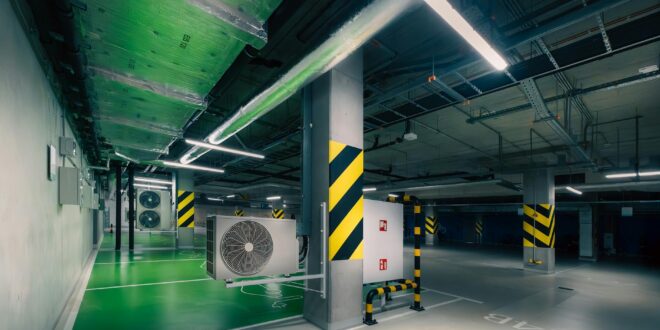
Energy Efficient Large Garage: Insulation, Lighting, and Ventilation Hacks
Introduction
If you own a spacious garage, you know that heating, cooling, and lighting can quickly become a budget drain. Making your energy efficient large garage a reality doesn’t require a full remodel—just a series of focused upgrades. This guide walks you through the most effective insulation, lighting, and ventilation strategies, backed by practical experience and clear decision criteria.
Decision Criteria for an Energy Efficient Large Garage
When planning upgrades, ask yourself these questions:
- Climate zone* – Does your region experience extreme winters, hot summers, or both?
- Usage pattern* – Is the garage a workshop, a home gym, or primarily vehicle storage?
- Budget vs. ROI* – Which improvement offers the quickest payback for your situation?
- Building envelope condition* – Are there obvious gaps, cracks, or outdated materials?
Answering these helps you prioritize insulation, lighting, or ventilation first.
Checklist: Insulation, Lighting, Ventilation
- Insulation*
- Seal gaps around doors, windows, and utility penetrations.
- Add wall and ceiling insulation with appropriate R‑values.
- Consider insulated garage doors.
- Lighting*
- Replace incandescent or halogen fixtures with LED equivalents.
- Install motion sensors or daylight harvesting controls.
- Use high‑efficiency fixtures for task lighting.
- Ventilation*
- Ensure balanced airflow to prevent moisture buildup.
- Add exhaust fans with variable speed controls.
- Evaluate passive vent options (e.g., ridge vents) for climate‑appropriate designs.
Detailed Steps
1. Insulation
1. Inspect the envelope* – Walk the perimeter with a flashlight; look for gaps larger than a quarter inch.
- Fiberglass batts*: Easy DIY, R‑13 to R‑19 for walls.
- Rigid foam board*: Higher R‑value per inch, good for concrete walls.
- Spray foam*: Best for irregular spaces, provides air sealing.
2. Install wall insulation* – Place batts between studs, cut to fit around outlets. Use foil‑faced insulation on the interior side of concrete walls for added moisture resistance.
2. Lighting
3. Audit existing fixtures* – Note wattage and placement. Identify areas that stay on all day (e.g., hallway lights).
- Motion sensors*: Ideal for infrequent entry points.
- Dimmers*: Reduce energy use when full brightness isn’t needed.
- Daylight sensors*: Dim or turn off lights when natural light is sufficient.
4. Task lighting* – Install LED strip lights under workbench edges or pendant lights over workstations for focused illumination.
3. Ventilation
5. Determine airflow needs* – A rule of thumb is 1 CFM per square foot of floor area for basic ventilation; increase for workshops with fumes.
Common Mistakes to Avoid
- Skipping air sealing* – Insulation alone won’t work if drafts bypass it.
- Over‑insulating without ventilation* – Trapped moisture can lead to mold on walls and stored items.
- Choosing the cheapest LED* – Low‑quality LEDs may dim quickly and waste energy.
- Installing a fan without a thermostat* – Fans that run continuously waste electricity.
- Neglecting door and window frames* – Even small gaps around frames can account for 10‑20% of heat loss.
When to Consider Alternatives
- Historic properties* – Preserve original materials; use interior insulation panels that don’t alter exterior appearance.
- Limited budget* – Prioritize sealing gaps and LED lighting first; they deliver the fastest ROI.
- Extreme climates* – In very cold zones, a combination of insulated doors, thick wall insulation, and a dedicated garage heater may be more cost‑effective than relying on passive measures alone.
Conclusion
By tackling insulation, lighting, and ventilation together, you can transform an energy efficient large garage into a comfortable, cost‑saving extension of your home. Start with the low‑hanging fruit—seal gaps, swap to LEDs, and add a controllable exhaust fan. As you see the savings add up, you’ll have a clear roadmap for deeper upgrades.
FAQ
Q: How much can I expect to save on heating a large garage after adding insulation?*
A: Savings vary by climate and existing conditions, but most homeowners report a 10‑30% reduction in heating costs after sealing gaps and installing R‑19 wall insulation.
Q: Are LED lights safe for a garage that stores chemicals or automotive fluids?*
A: Yes, provided the fixtures are rated for the environment (e.g., damp‑rated or explosion‑proof if needed). Check the product’s UL listing for suitability.
Q: Do I need a professional to install spray foam insulation?*
A: Spray foam requires specialized equipment and safety precautions, so hiring a certified installer is recommended.
Q: How often should I service my garage exhaust fan?*
A: Inspect the fan and its grille quarterly. Clean dust buildup and test the speed controller annually to maintain airflow efficiency.
Q: Can I add insulation to a metal‑panel garage without removing the panels?*
A: Yes. Interior rigid foam board or insulated panels can be attached directly to the metal sheathing, then covered with drywall or plywood for a finished look.
Editorial note:* This article is intended as practical planning guidance. Always verify product specifications, local codes, and site conditions before making final decisions.
Author bio:* Written by the editorial team, with a focus on practical planning, clear homeowner guidance, and SEO-friendly educational content.