
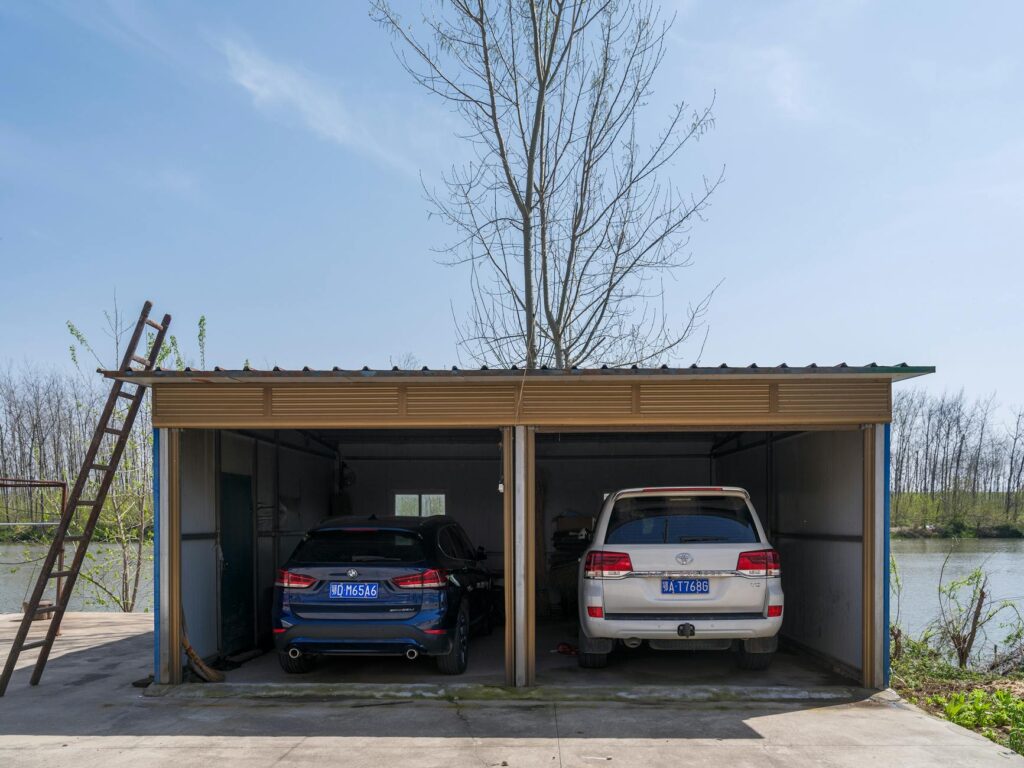
Garage Space Calculator for SUVs: How to Determine the Perfect Fit
Finding the right garage size for an SUV can feel like a puzzle, especially when you’re balancing budget, lot space, and future vehicle needs. A garage space calculator for SUVs removes the guesswork by translating vehicle dimensions into clear clearance requirements. In this guide we’ll walk through the key measurements, walk you through a simple calculator workflow, and flag the most common mistakes homeowners make.
@@DASH_LI_START@@–
Decision Criteria: What Really Matters?
Before you open a spreadsheet, consider these practical factors:
- Overall vehicle footprint* – length, width, and height of the SUV you own or plan to buy.
- Door swing and opening clearance* – most SUV doors need at least 2‑3 ft of side space to open fully.
- Work space* – a buffer zone for tools, storage, and safe maneuvering.
- Future‑proofing* – will you add a second vehicle, a bike rack, or a workbench?
- Local building codes* – some municipalities require minimum garage width or fire‑rated clearances.
Collecting these data points up front saves you from costly remodels later.@@DASH_LI_END@@ @@DASH_LI_START@@–
Step‑by‑Step Guide Using a Garage Space Calculator for SUVs
1. Gather SUV dimensions*
- Locate the manufacturer’s spec sheet or measure the vehicle yourself (length, width, height, wheelbase).
2. Add clearance buffers*
- Side clearance:* +3 ft (1.5 ft each side) for door swing and side‑step.
- Front/rear clearance:* +2 ft to allow safe entry, exit, and parking wiggle room.
3. Calculate minimum garage width*
- `Width = Vehicle Width + Side Clearance`
4. Calculate minimum garage depth*
- `Depth = Vehicle Length + Front/Rear Clearance`
5. Check ceiling height*
- `Height = Vehicle Height + 1 ft` (for roof fixtures, lighting, and ventilation).
6. Compare to existing space*
- Measure your garage opening and interior dimensions. If the calculated size exceeds what you have, note the shortfall.
7. Adjust for accessories*
- Add extra square footage for shelving, a workbench, or a second vehicle if needed.
> Quick Checklist@@DASH_LI_END@@
> – Vehicle width, length, height
> – Side clearance (≈3 ft total)
> – Front/rear clearance (≈2 ft total)
> – Ceiling buffer (≈1 ft)
> – Additional storage or second‑car space
@@DASH_LI_START@@–
Typical SUV Dimensions (Illustrative Example)
| Model | Length (ft) | Width (ft) | Height (ft) |
|---|---|---|---|
| Compact SUV | 15.5 | 6.0 | 5.5 |
| Mid‑size SUV | 17.0 | 6.5 | 5.8 |
| Full‑size SUV | 19.5 | 7.0 | 6.2 |
Plug these numbers into the calculator steps above to see how a 6‑ft‑wide, 17‑ft‑long mid‑size SUV translates to a minimum garage width of 9 ft and depth of 19 ft.@@DASH_LI_END@@ @@DASH_LI_START@@–
Common Mistakes to Avoid
- Skipping the door swing buffer.* A tight garage may look fine on paper, but the driver will struggle to open the doors.
- Ignoring ceiling height.* Roof racks, HVAC units, and lighting fixtures can quickly eat the extra foot you assumed was free.
- Assuming the garage door opening equals interior width.* The door frame, side panels, and any trim reduce usable space.
- Forgetting future needs.* A growing family often adds a second vehicle or a hobby space; plan for at least 2 ft of extra width per future addition.
- Over‑relying on online calculators without verification.* Always double‑check measurements on site; floor irregularities can affect usable space.
—
When to Consider Alternatives
If the calculator shows that your current garage falls short, you have a few options:
- Expand the existing structure* – add width or depth if lot setbacks allow.
- Convert a side‑carriage or detached shed* into a secondary garage.
- Install a carport* for occasional SUV storage while keeping the primary garage for daily use.
- Opt for a compact SUV* that fits within your existing footprint, especially if you’re buying a new vehicle.
Each alternative carries cost, permitting, and aesthetic considerations, so weigh them against your long‑term plans.@@DASH_LI_END@@ @@DASH_LI_START@@–
Frequently Asked Questions
1. Do I need a larger garage for a lifted SUV?*@@DASH_LI_END@@
> Yes. Lift kits add height and sometimes width. Add at least 1 ft to the height buffer and re‑measure the width after the lift is installed.
2. How much extra space should I leave for a workbench?*
> A standard workbench is about 2 ft deep. Allocate an additional 2‑ft strip along one wall, keeping the work area clear of vehicle clearance zones.
3. Can I use a garage space calculator for a truck and an SUV together?*
> Absolutely. Run the calculator for each vehicle, then add the larger of the two width requirements plus a 2‑ft aisle between them.
4. What if my local code requires a minimum garage width of 10 ft?*
> The code minimum overrides your calculated size. If your SUV needs 9 ft, you still must meet the 10‑ft requirement.
5. Is there a quick way to estimate without a spreadsheet?*
> Yes. Write the vehicle’s width and length on a piece of paper, add the side and front/rear buffers, and compare to the garage’s interior dimensions.
@@DASH_LI_START@@–
Conclusion
A garage space calculator for SUVs is a straightforward tool that turns raw vehicle specs into actionable garage dimensions. By adding realistic clearance buffers, checking local code minimums, and planning for future storage, you can avoid costly retrofits and ensure a safe, comfortable fit for your SUV today and tomorrow.@@DASH_LI_END@@ @@DASH_LI_START@@–
Editorial Note
This article is intended as practical planning guidance. Always verify product specifications, local codes, and site conditions before making final decisions.
Author Bio
Written by the editorial team, with a focus on practical planning, clear homeowner guidance, and SEO‑friendly educational content.@@DASH_LI_END@@
