
Introduction
As electric vehicles become mainstream, homeowners are asking the same question: How do I future proof my garage for EV chargers and storage in 2026? This guide walks you through practical space‑planning decisions, a step‑by‑step checklist, and common pitfalls to avoid. By the end, you’ll have a clear roadmap for a garage that accommodates today’s tools and tomorrow’s EV.
Decision Criteria for Future Proof Garage Planning EV Storage 2026
1. Electrical Capacity* – Verify your main panel can handle the additional load of a Level 2 charger (typically 30‑40 A). If you’re near capacity, plan for a sub‑panel upgrade.
Step‑by‑Step Checklist
2. Assess Current Layout*
- Sketch the garage dimensions.
- Mark existing outlets, doors, and windows.
3. Calculate Electrical Load*
- Add up existing loads (lights, outlets, HVAC).
- Add the charger’s demand (e.g., 7.2 kW ≈ 30 A).
- Consult an electrician if the total exceeds 80 % of panel capacity.
4. Design the Charging Zone*
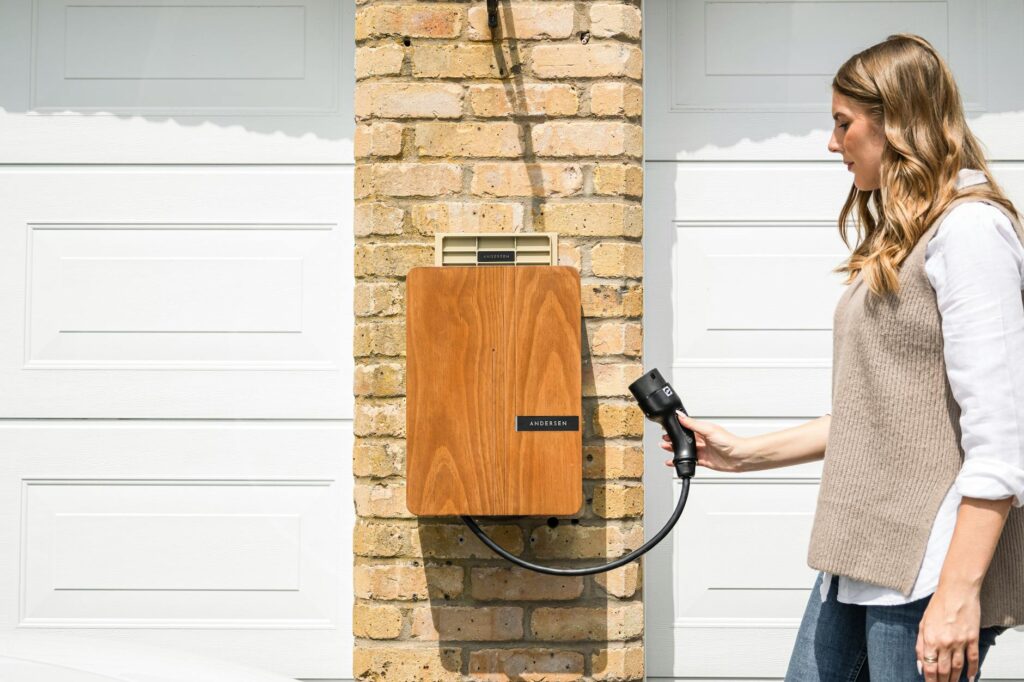
- Place the charger near the garage door for easy cable pull‑through.
- Leave a 3‑ft clearance on all sides.
- Include a wall‑mounted power strip for accessories.
5. Plan Storage Zones*
- Heavy‑Duty Zone*: Floor‑mounted racks for tires, lawn equipment.
- Tool Zone*: Wall‑mounted pegboard, cabinets at waist height.
- Seasonal Zone*: Overhead racks or ceiling‑mounted storage for holiday décor.
6. Select Materials*
- Use epoxy‑coated concrete for chemical resistance.
- Choose corrosion‑resistant conduit for charger wiring.
7. Permits & Inspections*
- File an electrical permit with your city.
- Schedule a rough‑in inspection before closing walls.
8. Install & Test*
- Have a licensed electrician install the charger and any new circuits.
- Verify voltage, amperage, and grounding with a multimeter.
- Perform a test charge with your EV.
Common Mistakes to Avoid
- Undersizing the Panel* – Adding a charger without checking panel capacity can trip breakers and create fire hazards.
- Blocking Ventilation* – Placing storage directly in front of a charger’s cooling vents reduces efficiency and may void warranties.
- Ignoring Future Vehicles* – Planning for only one EV can limit resale value; run conduit for a second charger now.
- Improper Cable Management* – Running cords across the floor creates tripping hazards and wear points.
- Skipping Permits* – DIY electrical work without permits can lead to insurance issues and failed home inspections.
When to Consider Alternatives
- Limited Space* – If your garage is under 200 sq ft, a portable Level 1 charger (120 V) may be more practical until you can expand.
- Shared Driveways* – In multi‑unit dwellings, a community charging station might be more cost‑effective than individual garage upgrades.
- High‑Power Needs* – For fast‑charging (50 kW+), a dedicated garage may not suffice; consider a dedicated garage‑adjacent charging shed.
Frequently Asked Questions
Do I need a dedicated circuit for an EV charger?*
Yes. Most Level 2 chargers require a dedicated 240 V circuit to meet safety codes and ensure reliable performance.
Can I install the charger myself?*
While mounting the unit is DIY‑friendly, the wiring must be performed by a licensed electrician to comply with the NEC and local codes.
How far can the charger be from the main panel?*
Keep the run under 100 ft to minimize voltage drop; longer runs may need larger gauge wire.
What about lighting for night charging?*
Add motion‑sensor LED lighting in the charging zone to improve safety and reduce energy use.
Will adding a charger affect my home insurance?*
Notify your insurer of the electrical upgrade; many policies require documentation of professional installation.
Conclusion
Future proof garage planning EV storage 2026 is less about guesswork and more about systematic preparation. By assessing electrical capacity, designing clear charging and storage zones, and following a detailed checklist, you can create a garage that serves both today’s tools and tomorrow’s electric vehicle. The result is a safer, more functional space that adds value and peace of mind for years to come.
Editorial note*: This article is intended as practical planning guidance. Always verify product specifications, local codes, and site conditions before making final decisions.
Author bio*: Written by the editorial team, with a focus on practical planning, clear homeowner guidance, and SEO-friendly educational content.
Related Articles


